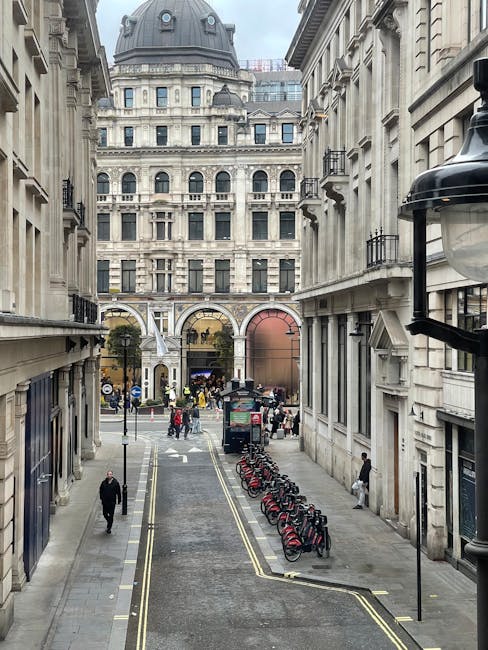
Bush House and Temple Place: tailored Aldwych move plans
Posted on 06/05/2026
Moving around Bush House and Temple Place is not a standard, one-size-fits-all job. The roads, access points, office rhythms, nearby traffic patterns and building constraints can all change the shape of the move. That is exactly why Bush House and Temple Place: tailored Aldwych move plans matter. They turn a stressful relocation into something properly organised, realistic and far less chaotic.
If you are shifting a flat, office, studio setup or a few bulky items near the Strand and Aldwych, a tailored plan helps you avoid the usual traps: awkward loading bays, tight stairwells, poor timing, and that lovely moment when a sofa reaches the doorway and everyone suddenly goes quiet. To be fair, most moving headaches are predictable if you know the area well. This guide walks through how a local, route-aware plan works, who it suits, what to watch for, and how to make the move feel controlled from the first box to the final carry-in.
Why Bush House and Temple Place move planning matters
In central London, the address matters almost as much as the inventory. Bush House and Temple Place sit in a busy part of Aldwych where timing, vehicle access and building rules can shape the whole move. A good plan is not just about getting items from A to B. It is about matching the move to the location so the day runs cleanly and you do not lose hours to avoidable delays.
These streets are close to major routes, busy pedestrian flows and commercial buildings that often have their own procedures for access, lifts and loading. If your move involves fragile items, office furniture, shared entrances or narrow internal corridors, a generic removal approach can quickly feel clumsy. A tailored plan reduces that risk by considering the route, the property type, the volume of items and the pace of the area.
It also helps with the human side of moving. People often think the stress comes from the lifting, but in practice it usually comes from uncertainty. Will the van be able to stop where it should? Will the lift be available? Do we need a second run? What if the chair does not fit? When those questions are answered in advance, the move feels much calmer. A proper plan is a quiet kind of reassurance.
For a broader understanding of how local removals are handled in this part of London, it can help to read the Aldwych removals guide for moving in and around the Strand. It gives helpful context for the traffic, timing and local movement patterns that make this area different from a typical suburban move.
How Bush House and Temple Place: tailored Aldwych move plans works
A tailored move plan starts with the property, not the van. The first question is simple: what are you moving, and from where? A compact office with desks and monitors needs a different approach from a one-bedroom flat with wardrobes, a sofa and a mattress. Once the mover understands the load, the building access and the destination, the practical plan starts to take shape.
In a well-managed Aldwych move, the process normally includes:
- a review of the item list and any awkward pieces
- a check on access, floor level and lift availability
- timing that avoids peak pressure where possible
- vehicle selection matched to the job size
- packing, wrapping and protection for vulnerable items
- loading order based on weight, fragility and delivery sequence
- drop-off planning so the unloading side stays organised too
That sounds orderly, and honestly, that is the point. Moving is easier when the sequence is set before the first box is moved. The best plans also leave a little room for reality, because London rarely behaves exactly as expected. A delivery vehicle may overrun a slot. A building manager may ask for a slightly different route. A lift may be shared. Fine. A good mover adjusts without turning the day into a mess.
If you are handling furniture-heavy rooms, the details matter even more. Our furniture removals in Aldwych page is useful for understanding how large items can be dismantled, wrapped and carried in a way that protects both the item and the property.
One small but important point: tailored does not mean complicated. It simply means the move is shaped around your real situation. That might involve one van and two movers. Or it might involve a larger team, split loading, or a short-term storage solution if the new place is not quite ready. The plan should fit the move, not the other way around.
Key benefits and practical advantages
A well-designed move plan for Bush House and Temple Place delivers benefits that are both obvious and subtle. The obvious one is efficiency. The less obvious one is reduced friction. When people know what happens next, they stop second-guessing every step. That alone can save a surprising amount of energy.
Here are the main advantages:
- Less disruption: timing and access are mapped to the building and street conditions.
- Better protection: fragile or high-value items are wrapped and loaded correctly.
- Cleaner handovers: move-out and move-in points stay tidier and easier to manage.
- Lower risk of damage: door frames, walls, floors and lifts are treated with more care.
- More accurate budgeting: a clearer scope means fewer surprises on the day.
- Less physical strain: the right lifting technique and equipment reduce avoidable injury risk.
There is also the matter of morale, which is often overlooked. A smooth move keeps everyone calmer. The tenants, the staff, the building contacts, even the neighbours. Nobody enjoys a stairwell jam at 8:30 in the morning with a lopsided cabinet and a doorway that suddenly feels two inches too narrow.
If your move includes a bed or mattress, planning saves even more trouble. Beds are one of those items that seem simple until you start turning them around in a hallway. For practical handling advice, see efficient strategies for moving your bed and mattress. And for larger soft furnishings, the guide on sofa storage and longevity is a useful companion piece.
Expert summary: the best move plans do not just "organise transport"; they reduce uncertainty, protect the property, and make each task easier to perform in the real world.
Who this is for and when it makes sense
Tailored Aldwych move plans are especially helpful if you are dealing with anything less than a straightforward box-and-go move. That includes local residents, office teams, contractors, students, short-term tenants and anyone moving items through a building with access restrictions.
This type of planning makes particular sense if you are:
- moving from or into a flat with stairs, lifts or shared entrances
- relocating an office near Bush House or Temple Place
- handling bulky furniture, electronics or specialist items
- working to a fixed handover time
- trying to minimise time on site
- using storage as part of a phased relocation
- needing same-day flexibility because the schedule has moved on you
Students and renters often underestimate how much access and timing matter in central London. A small move can still become awkward if the van cannot pause in the right place or if the building entrance is busier than expected. If that sounds familiar, a student removals Aldwych service can be a sensible fit, especially for lighter loads that still need proper coordination.
Office movers usually care about continuity. They want desks up, computers safe, and work interruption kept tight. In those cases, a plan can be split into phases. You might move archive boxes first, then furniture, then equipment. A simple one-day move is not always the best move. Sometimes it is just the fastest-looking option, which is not the same thing at all.
Step-by-step guidance
Here is a practical way to think about a Bush House and Temple Place move. It works whether you are moving home, relocating a small office, or shifting a few heavy items across Aldwych.
- List what is moving. Make a room-by-room or department-by-department inventory. Include awkward items like mirrors, printers, chairs with arms, and anything unusually heavy.
- Check access early. Measure doorways, stair turns, lifts, parking positions and any loading restrictions. This is where many moves quietly succeed or fail.
- Choose the right vehicle and crew size. A smaller van may be ideal for access, but not if it means endless trips. Balance practicality with efficiency.
- Protect sensitive items. Wrap furniture, secure cables, empty drawers where needed and pack electronics carefully. For packing methods, the article on packing like a pro when you move house is worth a look.
- Plan the load order. Heavy items usually go in first, then stable boxes, then fragile items and anything needed first at the destination.
- Confirm timing. Agree the start time, expected duration and any access window with the building contact or client.
- Prepare the space. Clear hallways, label items and remove trip hazards before the team arrives.
- Walk the route again on the day. A quick check can catch a blocked entrance, an unexpected delivery or a lift issue before it becomes a delay.
If the job includes genuinely heavy lifting, do not try to improvise with brute force. That is how people hurt backs, damage walls, and suddenly discover that the wardrobe has a hidden weight problem. The guide on kinetic lifting explains how movement and body mechanics can reduce strain in a much safer, more controlled way.
For single-item challenges, it may also help to read about solo strategies for moving heavy objects. Not every item needs a full team, but some absolutely do. The trick is knowing the difference before anyone starts lifting.
Expert tips for better results
People often ask what makes a move feel truly smooth rather than merely "done." In our experience, it is usually the small decisions made before the van arrives. Here are the details that matter more than most people expect.
- Keep one clear contact person. Too many decision-makers slow everything down.
- Label by destination room. That sounds basic, but it saves a lot of wandering at the other end.
- Separate essentials early. Make a small access box for chargers, documents, toiletries or kettle items.
- Photograph cable setups. Especially useful for offices or media equipment.
- Measure once more if the item is tight-fit. Doors can lie to you from certain angles.
- Allow a buffer. A little extra time beats a rushed finish, every single time.
If you are moving a sofa, wrap it before the team reaches the tricky part of the route. Do not leave the wrapping until the hallway. That is exactly when dust, scuffs and awkward turning angles show up like they own the place. For more detailed advice, see how to store a sofa properly.
And if the move includes clearing out a room first, take tidying seriously. It is not glamorous, I know, but a clean route makes the whole day gentler. A useful pair of guides here are how to get a house spotless before relocating and top strategies to tidy up before relocating.
One more thing: if the move involves heavy furniture and a short walk to the van, the pace matters. Slow and controlled is not "slow" in a bad way. It is efficient in a calm, grown-up sort of way. Not exciting, maybe, but far better than rescuing a smashed lamp at lunchtime.

Common mistakes to avoid
Most moving problems around Bush House and Temple Place are not dramatic disasters. They are small planning errors that compound. The good news is that they are easy to avoid once you know what to look for.
- Underestimating access limits: assuming the van can stop anywhere is a classic mistake.
- Packing too late: last-minute boxes are often poorly labelled and overfilled.
- Ignoring item shape: a narrow table may be more awkward than a heavier box.
- Forgetting building rules: some properties require advance notice, lift bookings or specific timings.
- Not checking weather exposure: rain, wind and wet pavements change handling and protection needs.
- Trying to save time by skipping wrapping: usually a false economy.
There is also a psychological mistake: assuming the move will "sort itself out" once the crew arrives. In busy central areas, good preparation is a shared job. The team can do a lot, but they cannot guess what is in your cupboard or what the building manager expects. Clear information makes a visible difference.
If you want a calmer overall process, the guide on how to keep a house move calm and stress-free is a good complement to this article. It focuses on the mindset and rhythm of moving, which sounds soft until you realise how much it affects the day.
Tools, resources and recommendations
The right tools do not make a move luxurious. They make it safer and less wasteful. A few simple items can save a surprising amount of time and damage.
| Tool or resource | Why it helps | Best used for |
|---|---|---|
| Removal blankets and straps | Protects surfaces and secures items during transit | Furniture, appliances, fragile finishes |
| Tape, labels and markers | Makes packing and unloading faster | Boxes, cable kits, room labelling |
| Dollies and lifting aids | Reduces carrying strain and improves control | Heavy boxes, office equipment, compact furniture |
| Furniture tools and Allen keys | Useful for dismantling and reassembly | Beds, desks, wardrobes, modular furniture |
| Short-term storage | Gives flexibility if dates do not align | Phased moves and delayed access |
For people who need help with boxes and packing materials, the packing and boxes in Aldwych page is a practical starting point. If storage is part of the plan, the storage in Aldwych service can help bridge the gap between move-out and move-in dates.
There are also times when the right recommendation is not more gear but a better service match. A smaller load may suit a man and van in Aldwych, while a larger home or more complex office relocation may need a fuller removal service in Aldwych. Matching the method to the move is often where the real savings happen.
Law, compliance, standards and best practice
For any move in London, practical compliance matters even when the job looks straightforward. That does not mean you need to become a legal expert overnight. It means the move should be handled in line with reasonable safety, access and property-care expectations.
Good practice usually includes:
- safe manual handling and sensible lifting technique
- appropriate use of equipment for heavy or awkward items
- clear communication about access, timings and responsibilities
- careful protection of floors, walls and communal areas
- respect for building rules, neighbours and local loading arrangements
If you are comparing providers, it is sensible to ask how they handle insurance, safety procedures and damage prevention. The pages on insurance and safety and health and safety policy are useful for understanding the kinds of standards a reputable mover should be able to explain clearly.
You may also want to check the business side of things before booking. Clear terms, transparent quote handling and secure payment processes all matter when you are trusting someone with your belongings. For that, see pricing and quotes and payment and security. If you prefer to understand the company background first, the about us page is worth a read too.
For disposal and item replacement planning, sustainability can be part of the move too. The recycling and sustainability page explains how unwanted items can be handled more responsibly, which is especially useful if you are clearing an office or doing a full home reset.
Options, methods, and comparison table
Not every Bush House or Temple Place move needs the same type of support. The right choice depends on distance, item size, timing and how much help you want on the day. Here is a simple comparison to make the options easier to weigh up.
| Method | Best for | Strengths | Trade-offs |
|---|---|---|---|
| Man and van | Smaller home moves and lighter loads | Flexible, efficient, often cost-conscious | Less suitable for larger or more complex moves |
| Full removals team | House moves, office relocations, bulky inventory | More hands, more protection, better for complex access | May be more than you need for a very small move |
| Same-day removals | Urgent changes and short-notice situations | Speed and responsiveness | Availability can be tighter and planning windows shorter |
| Storage-led move | Phased relocations and date gaps | Helpful when move-out and move-in do not match | Adds an extra step, so planning needs to be sharper |
If you are unsure where you fit, it is usually safer to start with the fuller picture and then scale down than the reverse. A short conversation with the mover can clarify whether you need house removals in Aldwych, a lighter man with a van option in Aldwych, or something more specialised such as office removals in Aldwych.
For some people, a particularly tight schedule may mean same-day removals in Aldwych are the practical answer. That can work well, but the earlier you share details, the better the outcome tends to be. Rush moves are manageable. They just need honesty about what is actually moving.
Case study or real-world example
Picture a small professional team moving from a Temple Place office into a nearby Aldwych location. The inventory is not huge, but it is fiddly: desks, monitors, boxed files, a meeting table, two task chairs, a printer and a couple of large framed prints. Nothing dramatic. But if this is treated like a generic box move, it can unravel quickly.
The better approach starts with a route check. The mover confirms the access point, checks whether the lift can be used for the larger pieces and decides which items should go first. The printer and file boxes are packed separately so they can be unloaded early. The framed prints are wrapped flat instead of being squeezed into a corner with loose cords and random cable clutter. Sensible, really.
On the day, the team arrives with protection for door edges and floor contact points. The desks are moved in sequence so one person is never waiting around with something awkward in their hands. The office is handed over in good order, and the receiving side can set up faster because the label system was clear from the start.
That is the whole point of tailored planning. It is not about adding admin for the sake of it. It is about removing guesswork. A properly thought-through move often feels uneventful. That is a compliment.
If the same office also had a piano in the reception area, the plan would need another layer of specialist handling. In that case, it makes sense to read why professional movers are essential for piano relocation and, if needed, look at piano removals in Aldwych. Some items really should not be left to guesswork and optimism.
Practical checklist
Use this checklist a few days before the move, then again on the morning itself. It keeps the process grounded and helps you catch the little details that often get missed.
- Confirm exact addresses and contact names for both ends of the move
- Check access times, lift booking rules and any loading restrictions
- Measure large items against doorways, stair turns and lift dimensions
- Pack and label boxes by room or destination area
- Set aside documents, chargers, keys and essentials separately
- Defrost, disconnect or empty appliances if they are being moved or stored
- Wrap furniture edges and fragile surfaces
- Clear floors, hallways and entrance points
- Keep a quick inventory for valuable or sensitive items
- Arrange parking, permits or access permissions where needed
- Tell the mover about any stairs, narrow points or unusual items in advance
- Check insurance and policy details before the move begins
For appliance-related preparation, the guides on how to store a freezer for long-term non-use and general moving prep are surprisingly useful. A freezer left half-managed is a nuisance later. Nobody wants that smell drifting into a new place. No thank you.
Conclusion
Moves around Bush House and Temple Place tend to go best when they are planned like a central-London job, not just a moving day. That means thinking carefully about access, timing, property rules, item handling and the realities of Aldwych traffic and building layouts. A tailored plan reduces risk, saves time and makes the whole experience feel less sharp-edged.
Whether you are moving a small office, a flat, a few heavy pieces or a mixed load that needs storage and careful sequencing, the right plan turns a difficult day into a manageable one. Not perfect. Just manageable. And sometimes that is exactly what you need.
If you are comparing options or trying to work out the smartest route for your move, start with a clear conversation and a proper quote. The right advice early on can save a lot of stress later, and in a place like Aldwych, that calm matters more than people expect.
Get a free quote today and see how much you can save.