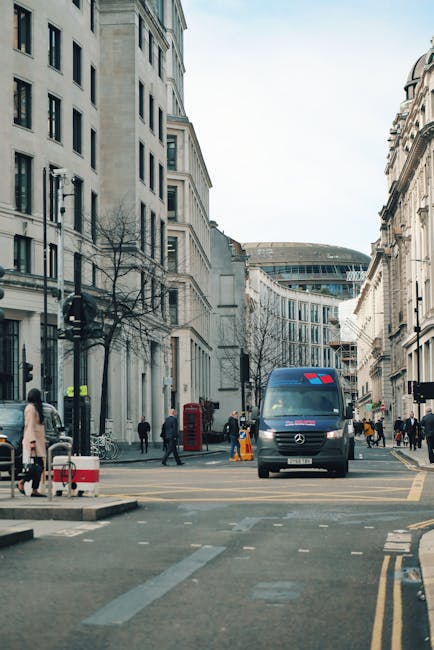
Man with van in Aldwych for local and longer distance moves

Our man with van in Aldwych is a practical choice for customers who need careful transport, loading support and a straightforward way to move furniture, boxes or mixed household items. The service is suited to smaller moves, single-item collections and clearances where a full-size removal operation is not necessary, while still giving you the structure of a booked move. We focus on safe handling, sensible route planning and organised vehicle space so items can be moved with less disruption.
Because every move is different, our work can be shaped around the items, access and destination rather than a fixed package. That makes it useful for flats, studio spaces, offices and short-notice collections where flexibility matters. If you are comparing options, the main man with van service explains the core approach, while this page focuses on the way that service can be used for Aldwych collections, deliveries and removals.
We can also support customers who need a broader moving solution. For example, a home moves page may be more relevant when a household relocation involves more rooms, more packing or a larger volume of furniture. For commercial customers, commercial moves are a separate consideration when desks, filing, stock or equipment need to be moved with attention to timing and access. Use the service that matches the job size and the layout of the property rather than treating every move in the same way.
What the service covers
Our man with van work in Aldwych covers practical moving help from the point where items are ready to load through to delivery at the destination. That usually includes lifting, carrying, securing items in the vehicle and placing them where requested on arrival. It is a good fit for customers who want direct transport without unnecessary extras, but still need the reassurance that the move will be handled in an orderly way. The service is intended to be adaptable, not overcomplicated.
Typical jobs can include furniture collection, box transport, student moving, e-commerce returns, and partial house moves where only part of the home is changing address. For anything awkward or bulky, the key is to consider shape, weight and access together. A sofa, wardrobe or appliance may need different handling from sealed boxes or flat-pack items. If you need help deciding what is suitable, removal services gives a wider view of the moving tasks that sit around this core offer.
Good planning helps the move run more smoothly, especially in streets or buildings where parking and access need a little thought. A short list of the items, notes about stairs or lifts, and any points about fragile contents can make preparation easier. It is usually sensible to keep essential documents, valuables and personal items separate from the load so they can travel with you rather than being mixed in with general furniture.
House and flat moves handled with care

When the move involves a house or flat, our approach is to keep the work manageable and clear. Smaller domestic moves often need more than a van alone: they need careful timing, loading order and an awareness of what should be protected first. The right arrangement can reduce the chance of awkward reshuffling at the kerb or in the hallway. That is especially helpful when access is tight, entry points are shared or furniture has to be moved through narrow routes.
For larger domestic jobs, you may prefer a fuller removal-style service. The house removals page is a useful next step if the move involves a whole property rather than a few selected items. If the task sits somewhere between a few items and a full household relocation, man with van removals can be a sensible middle ground, giving you transport and moving support without treating the job as a large-scale removal operation.
Planning the load
When planning a domestic move, it helps to think in terms of order rather than simply quantity. Softer items, boxed contents and lighter pieces can often be grouped in a way that supports heavier furniture and reduces wasted space. A careful loading plan also helps protect fragile surfaces, which matters if the items include polished wood, glass or painted finishes. If you are comparing vehicle options, the moving van page may help explain the sort of transport commonly used for this work.
Office and business relocations

Man with van support is not only for domestic moves. In Aldwych, businesses may need a practical way to move a small office, part of a workspace or selected equipment from one address to another. That might involve desks, chairs, archive boxes, monitors, peripherals or displays. The important point is to keep the move organised so items arrive in a sensible order and the business can settle back into operation without unnecessary confusion. Commercial relocations often benefit from a clear schedule and a straightforward loading sequence.
If the relocation is broader in scope, the office removals page is a better fit for a full workplace move, while office relocation services gives a wider view of moving a business setting with more planning around equipment and access. We also recognise that some customers only need selected items moved, not an entire office. In that case, a man with van arrangement can be a sensible and efficient choice for the job in hand.
Useful items to consider for business moves include computers, printers, filing boxes, task chairs, light storage units and exhibition materials. Packing these items separately can help the move feel more controlled. Labelled boxes are especially useful when a team needs specific items available soon after arrival. Where a load includes fragile or technical equipment, it is worth allowing enough time for safe placement rather than rushing the final part of the job.
Packing, loading and item protection
Good packing does not have to mean overpacking. The aim is to make the load secure, easy to carry and easy to place at the destination. Boxes should be closed properly, loose contents should not move around, and delicate items should be protected from rubbing against harder surfaces. For furniture, blankets, wraps or other protective materials may help reduce scuffs during transport. The better the packing, the easier the loading stage becomes for everyone involved.
If you want support with preparation as well as transport, packing and unpacking services may be relevant when the move needs extra help at either end. Not every job needs full packing assistance, but it can be useful where time is limited or where there are many small household items to organise. The main thing is to match the preparation to the move rather than leaving fragile or awkward pieces until the last minute.
How to prepare well
There are two practical steps that usually help most. First, make a simple note of the items that are moving so the loading order can be planned sensibly. Second, give any access details that could affect parking, carrying distance or use of stairs. Those details make it easier to assess the work accurately. If you are ready to compare prices, pricing and quotes gives a useful starting point for understanding how enquiries are usually handled.
Furniture, single items and collections

Some customers only need one or two pieces moved, and that is where a man with van service can be particularly useful. A sofa collected from one address, a wardrobe moved between rooms, or a dining set delivered to a new home can all be handled without the scale of a full removal team. Single-item transport still needs care, especially if the item is bulky, awkward or vulnerable to scratches, but the job is often simpler when the vehicle and labour are matched to the size of the task.
Furniture pick-ups can also suit people buying items privately or receiving deliveries arranged separately from the seller. In those cases, timing and access matter as much as the item itself. The furniture pick-up page is useful if the main need is to collect a purchased piece and move it safely. For a wider range of items and smaller clearing jobs, removals can help explain how collection and transport fit into the broader service offering.
When a piece is especially large or awkward, dismantling and reassembly may be worth considering if that is appropriate to the item. Even when that is not needed, it helps to know the dimensions in advance so the move can be planned properly. A measured approach can prevent avoidable delays at doors, stairwells or lifts and makes the transport stage much more efficient. If you are still deciding how much assistance you need, it is fine to start with a simple enquiry and work from there.
How pricing is usually considered
The price for a man with van job is usually shaped by a combination of distance, volume, access and the level of loading help required. A short local move with easy parking and a small number of boxes will usually be different from a job involving upper-floor access, heavy furniture or several collection points. That is why clear information at the start matters: it helps identify the right type of transport and avoid vague assumptions about the work involved.
If you want to discuss the likely cost before booking, the easiest route is to outline the items, the addresses involved and any access points that could affect the move. You do not need a long description, but you should include enough to show the shape of the job. If the enquiry is for a business or a residential move with broader planning needs, the general removal company information may also be useful, especially when comparing the type of support available.
Two short points usually make the quotation process easier. Be specific about what is moving, and say whether there are steps, lifts or parking restrictions. That is often enough to create a clearer picture of the work. A careful estimate is more helpful than a quick guess, because it gives you a better basis for comparing options and choosing the right level of support for the move.
About Aldwych
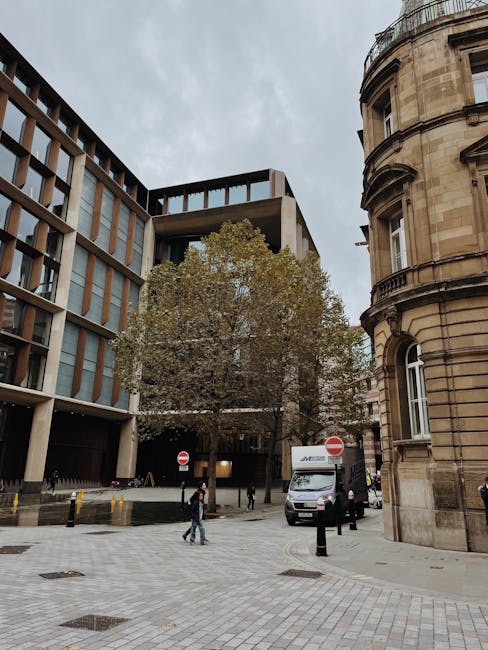
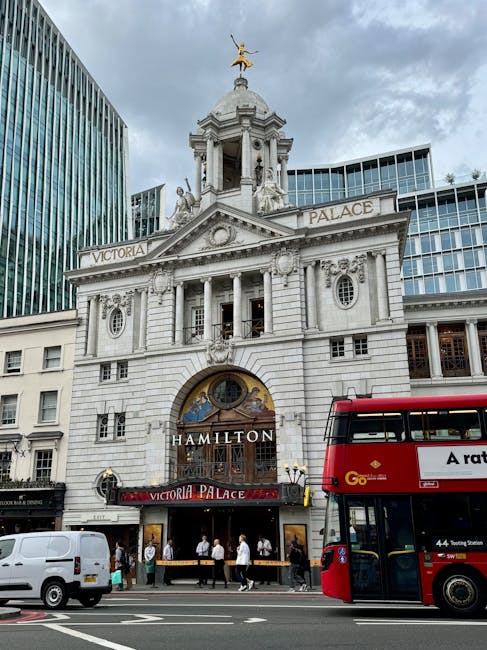
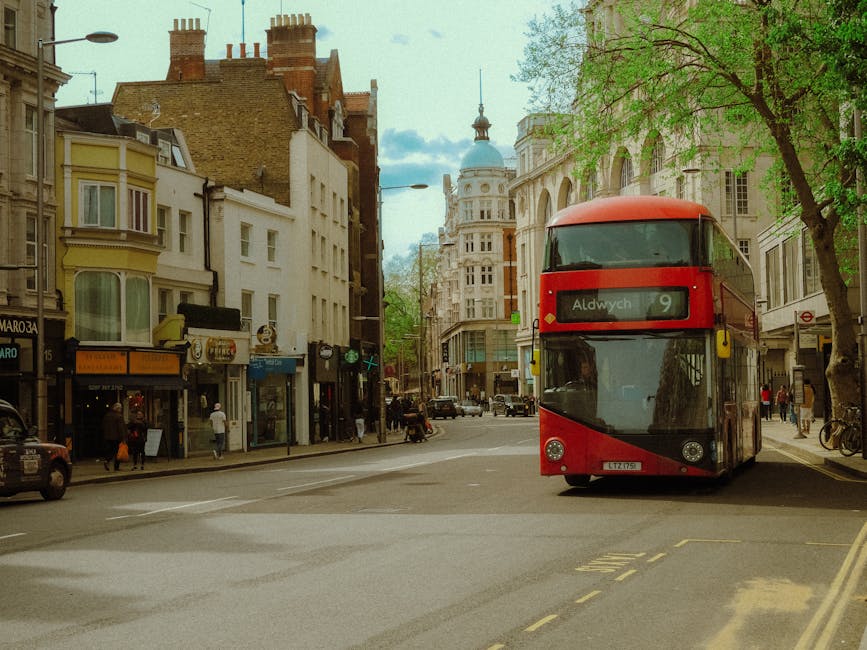
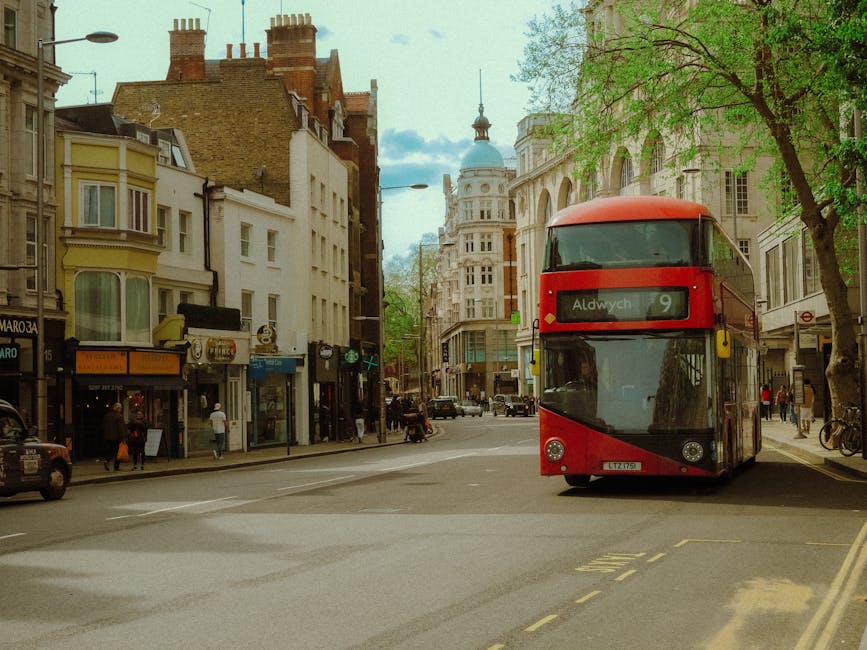
Aldwych is a short, curved street and surrounding district in central London, lying between the Strand, Holborn and the edge of the West End. Its name comes from Old English, meaning an old trading or commercial settlement, and the area retains a strong sense of being part of central London’s historic street pattern rather than a modern planned quarter. The Aldwych itself was created in the early twentieth century as part of a major redevelopment that improved the road layout around the southern edge of the Strand and Kingsway. The district is known for its theatre and civic character: the Aldwych Theatre opened in 1905 and remains one of the street’s best-known landmarks, while nearby Somerset House and the Royal Courts of Justice help define the wider ceremonial and architectural setting. The area sits close to the River Thames, and although the riverfront is not directly on Aldwych itself, the district has long been connected to movement between the Strand, Temple and the City. The surrounding streets contain a mix of offices, hotels, academic buildings and cultural venues, which gives the area a varied weekday atmosphere. Kingsway, to the north, is another important feature of the local street network, and nearby Covent Garden and the legal quarter around the Inns of Court add to the sense of a compact part of central London with many overlapping functions. Green space is limited within Aldwych itself, but the wider district benefits from nearby squares and river walks, while public transport links make it a well-connected place within the city centre. That combination of heritage buildings, busy thoroughfares and major institutions gives Aldwych a distinctive identity that is easy to recognise once you know the area.
Moving support for different access needs

Access can make a big difference to how a move is approached. In some properties, the route from room to vehicle is short and direct. In others, there may be shared entrances, narrow staircases, limited parking or a longer carry distance. Our man with van service is intended to adapt to these practical conditions rather than ignore them. The better the access is understood, the easier it becomes to plan the load, the timing and the most sensible way to handle the items.
There are occasions where a larger vehicle or a different moving arrangement is a better match. If you are comparing options, removal van and removal truck hire may be worth reviewing for bigger loads or more specific transport requirements. We also offer moving truck information for customers who want to understand how a more substantial vehicle-based move differs from a smaller man with van job. Choosing the right type of transport can save time and avoid unnecessary complications.
For the final arrangement, it helps to keep communication simple and focused. Tell us what is moving, where it is going and whether the access at either end creates any difficulties. If the job is suitable, we can shape the move around those details and provide a clear response. Request a quotation when you are ready to go ahead.
Helpful service options and related information
Customers sometimes need more than one type of moving help, even when the main job is still a man with van collection or delivery. A smaller domestic move might be combined with packing, a business move may involve selective office items, and a clear-out may need transport as well as removal support. It is sensible to think of the job in parts so the service matches the real workload rather than forcing everything into one broad label. That usually leads to a more practical result.
Relevant related pages can help you compare these options. recycling and sustainability covers a wider view of how unwanted items may be considered, while insurance and safety is useful if you want to read more about the precautions that sit around moving work. If you prefer to understand the company side of the service, about us gives a broader introduction, though the focus here remains on the moving help itself rather than background detail.
Where the job is straightforward, the best next step is usually just a brief description and the preferred date. Where the move is less simple, a little extra detail about access and the items involved will help the enquiry. Keep the information practical, not long-winded, and you will get a more useful response. If you still need guidance on what counts as a sensible moving arrangement, it may help to compare the service pages before sending the enquiry.