Last-minute Aldwych moves: van access and crew readiness
Posted on 02/06/2026
When a move turns into a last-minute scramble, the two things that make or break the day are simple: can the van actually get to the door, and is the crew ready to move fast without cutting corners? In Aldwych, that question matters more than most people expect. Tight streets, loading restrictions, busy traffic, and awkward building access can turn a quick job into a frustrating delay. The good news is that last-minute Aldwych moves can still go smoothly if van access and crew readiness are handled properly from the start.
This guide breaks down what to check, how same-day and short-notice moves work, and what practical steps reduce stress when time is not on your side. You will also find a checklist, a comparison table, and a few honest, real-world pointers that can save the day. Let's face it, nobody wants to be standing in the hallway at 8 a.m. with boxes in one hand and a parking problem in the other.
Why Last-minute Aldwych moves: van access and crew readiness Matters
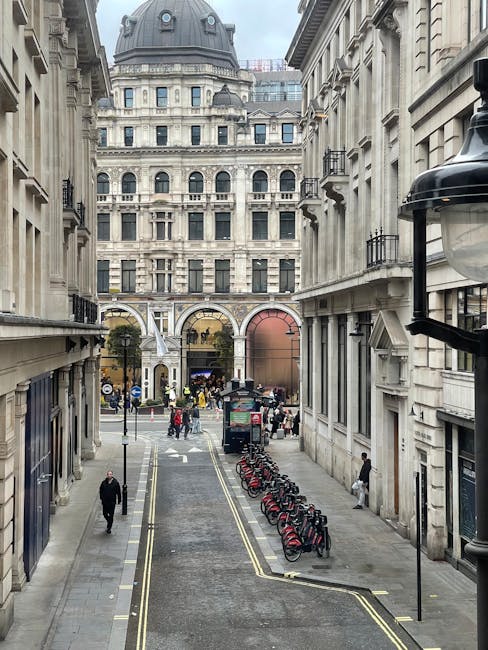
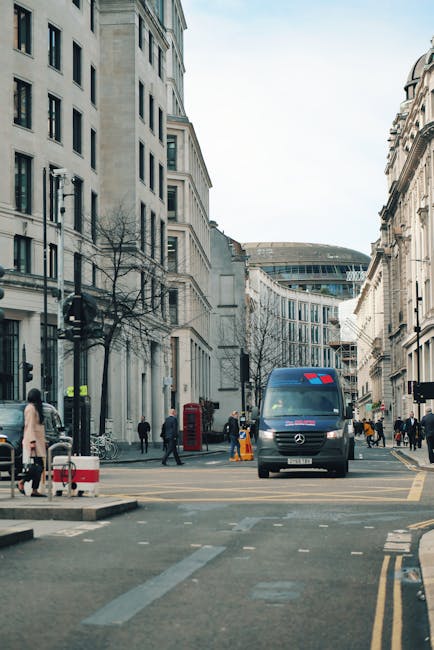
Aldwych sits in a part of central London where moving is rarely just about lifting items and driving away. Access can be narrow, loading opportunities can be limited, and a building may have more rules than you remembered at the worst possible moment. That is why van access and crew readiness are the real backbone of a successful short-notice move.
If the vehicle cannot stop close enough to the property, everything slows down. The team may need extra carrying distance, more time, and more physical effort. That affects cost, speed, and in some cases safety. If the crew is not fully prepared, you get hesitation, missed details, and avoidable damage. On a last-minute job, those gaps show up fast.
To be fair, many urgent moves are not chaotic because the customer is disorganised. Often, life just changes quickly: a tenancy ends early, a contract starts sooner than expected, a property handover gets moved, or a flat suddenly needs to be cleared the same day. In those moments, reliable planning matters more than perfect planning.
There is also a local angle. A move in the Aldwych/Kingsway area can be affected by traffic build-up, busy pedestrian flow, and building access that looks simple from the street but is not once you reach the door. If you want to understand how timing and parking affect the day, the guide on best times for moving on Kingsway and parking tips is a useful companion read.
How Last-minute Aldwych moves: van access and crew readiness Works
A good short-notice move is not magic. It is a sequence of quick decisions made in the right order.
First, the mover checks the access picture: where the van can stop, whether loading is from the front, side, or a service entrance, and whether the property has stairs, lifts, or awkward turns. Then the crew size and vehicle type are matched to the items and the time available. After that comes the practical loading plan: what goes in first, what needs protection, and what can be moved quickly without overhandling.
In a same-day context, a well-run team tends to work in layers. One person confirms parking and building access, another handles protective kit and route planning, and the rest start moving high-priority items. It sounds basic. It is basic. But basic done well is what saves time when the clock is ticking.
For example, if a flat move involves a sofa, a bed frame, several boxes, and a couple of fragile items, the crew may split the job into fast-clear items and careful-clear items. That keeps momentum up without turning the move into a rush job. If you want a broader overview of how these services fit together, the services overview is a helpful starting point.
And yes, the van matters. A removal van with the right load space and access features can be the difference between one neat trip and three awkward shuttles. Nobody enjoys unnecessary shuttle runs. Nobody.
Key Benefits and Practical Advantages
When van access and crew readiness are handled properly, the benefits are immediate and very practical.
- Less waiting time: the crew starts moving instead of hunting for parking or reworking the route.
- Lower handling risk: fewer extra lifts usually means fewer bumps, scrapes, or dropped corners.
- Better pace: the team can maintain flow, which is especially important for time-sensitive handovers.
- Cleaner coordination: everyone knows what happens first, next, and last.
- Reduced stress: when the access plan is sorted, the move feels less like a fire drill.
There is a quieter benefit too: confidence. People move differently when they know the van is close, the crew is organised, and the route is already decided. You notice it in the little things. Fewer repeated questions. Less panic in the hallway. More steady, sensible action.
That is especially valuable if you are moving on short notice after work, with family around, or during a very tight check-out window. A move does not need to be slow to be safe, but it does need to be coordinated.
If the job involves furniture that needs special handling, it can also help to look at furniture removals in Aldwych, or if you are shifting something particularly delicate, piano removals in Aldwych explains why specialist care matters.
Who This Is For and When It Makes Sense
Last-minute moving support is not only for people in a crisis. It also suits anyone who needs a fast, practical response without months of lead time.
This approach makes sense for:
- tenancy end dates that have changed suddenly
- students moving between accommodation quickly
- flat clearances where access is limited to a short window
- office or desk moves that need to happen outside business hours
- people who have packed most items but still need a skilled team and a van
- customers who have bulky furniture and no realistic way to move it safely alone
It is also a strong option when you do not need a full-service, multi-day relocation but still want a professional setup. That might mean a man with a van, a man and van service, or a small removal team depending on the load size and access conditions. If you are comparing service styles, the pages for man with a van in Aldwych and man and van Aldwych can help frame the decision.
Truth be told, a last-minute move often works best when the customer is flexible and the mover is well prepared. That combination is gold.
Step-by-Step Guidance
If you are organising a short-notice move in Aldwych, the following sequence keeps things grounded. It is not glamorous, but it works.
- Confirm the exact addresses and access points. Note the front entrance, side entrance, service lift, stairwell, and any restrictions on where a van can stop.
- List the items that must move first. Prioritise essentials, fragile items, and anything time-sensitive.
- Measure the bulky pieces. Sofas, beds, wardrobes, appliances, and desks are the usual troublemakers. A few measurements now can save a lot of swearing later.
- Check for parking or loading constraints. Central London streets can be unforgiving if this is guessed rather than checked.
- Match the vehicle to the job. Bigger is not always better, but too small is definitely a problem.
- Prepare the crew brief. Tell them about stairs, narrow hallways, reserved lifts, heavy items, and any objects that need special wrapping.
- Clear the route inside the property. Hallways, doorways, and landings should be free of clutter.
- Separate what is staying from what is going. It sounds obvious until a charger, remote, or document folder disappears into the wrong box.
- Keep essentials in one place. Keys, documents, medication, chargers, and a small overnight kit should stay with you.
- Stay available for quick decisions. On a tight move, small questions come up. Fast answers keep the job moving.
A practical move often begins before the van arrives. If you want help preparing the property itself, the guides on packing like a pro, essential steps for a spotless house before relocating, and top strategies to tidy up before relocating give a very practical lead-in.
Expert Tips for Better Results
A few small decisions can make a big difference, especially when the move has been arranged quickly.
- Keep the first load simple. A crew that can load boxes and easy items first will build momentum faster than one stuck on a difficult piece straight away.
- Use clear labels. Even handwritten labels like "kitchen," "books," or "fragile" help more than people realise.
- Protect corners and surfaces. A blanket or wrap on a table leg can prevent silly damage that is annoying to repair later.
- Leave a clear path to the van. Shoes, coat racks, bins, and small furniture all slow things down in a narrow hallway.
- Do not underestimate fatigue. Even a short move can be tiring if the building access is awkward. Crew readiness includes pacing, not just strength.
One thing that gets missed often is lifting technique. Good movers use controlled, balanced movements rather than just brute force. That is part of kinetic lifting, and it matters because awkward lifts in tight spaces are where many mishaps begin.
If your move includes a sofa, a bed, or another item that is easy to underestimate until you actually try to turn it in a hallway, these guides are worth a look: sofa storage and handling and bed and mattress moving strategies.

Common Mistakes to Avoid
The biggest mistakes in last-minute moves are rarely dramatic. They are usually small assumptions that snowball.
- Assuming the van can stop right outside. In central London, that is often the part that needs checking first.
- Underestimating stair access. A third-floor walk-up is very different from a ground-floor load.
- Leaving packing until the crew arrives. A professional team can work quickly, but they should not be waiting while socks and kitchen utensils are still being sorted.
- Forgetting bulky items. Freezers, mattresses, and wardrobes are easy to overlook in a hurry.
- Not confirming the crew size. One extra pair of hands can matter more than people expect.
- Mixing fragile items with general loads. That is asking for trouble, frankly.
Another common issue is not planning the disposal or storage side of the move. If you need temporary holding space, storage in Aldwych can be a sensible bridge when the new place is not quite ready. And if you have items you no longer want, the company's recycling and sustainability approach may help you make cleaner choices.
Small mistake, big headache. That pattern repeats a lot in moving, a bit annoyingly.
Tools, Resources and Recommendations
You do not need a truckload of gear for a short-notice move, but the right essentials save time and reduce risk.
| Item | Why it helps | Best use |
|---|---|---|
| Furniture blankets | Protects wood, paint, and soft surfaces | Sofas, tables, wardrobes, appliances |
| Straps | Improves control when lifting or securing items | Heavy boxes, bulky loads, awkward shapes |
| Labels and marker pens | Makes unloading faster and clearer | Room-by-room packing |
| Trolley or sack truck | Reduces repeated manual lifting | Boxes, small appliances, stacked items |
| Tool kit | Useful for bed frames, shelves, and loose fittings | Dismantling and reassembly |
For larger or more awkward items, using specialist help is often the smarter route. If you are moving on your own and wondering whether a big object is realistically manageable, read solo heavy object strategies first. It may save your back, which is a fairly valuable thing to protect.
For customers comparing service levels, you may also find the pages for removal services in Aldwych and removals in Aldwych useful when deciding how much support you actually need.
Law, Compliance, Standards, or Best Practice
For last-minute moves, the legal and practical side usually comes down to care, access, and safe working practices rather than anything dramatic. In the UK, movers and customers should still think in terms of duty of care, safe lifting, and respect for property access rules.
That means a professional mover should avoid unsafe lifts, protect floors and doorframes where practical, and plan loads so items are not damaged in transit. The crew should also be clear about any restrictions tied to the building, such as lift reservations, concierge requirements, or loading instructions. These are not exotic rules, just the normal realities of moving in central London.
Insurance matters as well. If an item is fragile, valuable, or unusually shaped, it is sensible to understand what is covered and what is not. The same goes for payment handling and booking terms. A good provider should be transparent about both. You can review the company's insurance and safety information, plus the pages on payment and security and terms and conditions if you want more clarity before booking.
If accessibility is a concern, whether for the property or for the people involved in the move, it is also worth checking the accessibility statement. The practical details matter. They always do.
Options, Methods, or Comparison Table
Not every last-minute move in Aldwych needs the same setup. The right method depends on load size, access, and how quickly everything must happen.
| Move Type | Best For | Strengths | Limitations |
|---|---|---|---|
| Man with a van | Smaller, fast, flexible moves | Quick response, simple coordination, good for tight deadlines | May not suit very large homes or heavy furniture-only jobs |
| Man and van | Moderate loads needing a little more handling support | Extra carrying help, still agile for central London access | Not always enough for complex multi-room relocations |
| Small removal team | Heavier or more structured moves | Faster loading, better for stairs and bulky pieces | May need a little more coordination and notice |
| Same-day removals | Urgent situations with little planning time | Designed for speed and responsiveness | Depends heavily on access, timing, and availability |
If you are unsure which route fits, the simplest rule is this: the tighter the access and the larger the furniture, the more valuable crew readiness becomes. Same-day support is especially useful when time matters more than custom scheduling, which is why same-day removals in Aldwych is such a practical option for many urgent jobs. For a clearer service comparison, removal companies in Aldwych can also help you see what type of support is available.
Case Study or Real-World Example
Imagine a flat move near Aldwych where the lease ended a day earlier than expected. The resident has a sofa, a bed frame, a few boxes, and a compact freezer that needs to go. The lift is small, the hallway has a sharp turn, and there is only a short loading window outside. Not ideal. Not impossible, though.
In a situation like that, the crew would normally start by checking exactly where the van can stop and whether one person can hold the access point while another brings items out. The sofa would be assessed first because it is often the item that decides whether the route works. If it fits the turn, great. If it does not, the team may need to re-angle, partially dismantle, or reassign the carrying order.
The freezer would need careful handling and practical planning. A guide like how to store a freezer for long-term non-use is relevant here because appliance handling is not just about movement; it is about what happens before and after transport too. The bed and mattress would be wrapped or separated cleanly to avoid snagging on stair edges. If you have ever tried to pivot a mattress on a landing, you will know the awkward silence that follows when everyone realises the turn is tighter than expected.
In this kind of move, readiness beats improvisation. The crew is not guessing. They are sequencing. That is the difference between a rough day and a manageable one.
Practical Checklist
Use this checklist if your Aldwych move is happening quickly and you want to stay one step ahead.
- Confirm the exact move time and address details.
- Check where the van can legally and practically stop.
- Note stairs, lifts, narrow corridors, and door widths.
- List all large items, including furniture and appliances.
- Pack fragile items separately and label them clearly.
- Keep documents, keys, and valuables with you.
- Clear floors and hallways before the crew arrives.
- Reserve parking or loading access where needed.
- Tell the mover about any access restrictions in advance.
- Ask how the crew plans to handle bulky or delicate pieces.
- Check insurance, payment details, and terms before the move starts.
- Set aside a small essentials bag for the first night.
If you are packing right down to the wire, the advice in expert packing tips can help you get the basics done quickly without becoming overly fussy. Nobody has time for perfection on a same-day move anyway.
Conclusion
Last-minute Aldwych moves are rarely about having more time; they are about using the time you have wisely. When van access is checked properly and the crew is ready for the real conditions on site, a stressful move becomes a workable one. That is the core of it. Not luck. Not hoping the parking works out. Good planning, fast decisions, and a team that knows how to adapt.
The most useful thing you can do is keep the move simple, communicate clearly, and focus on the details that actually affect the day: where the van will stop, how the crew will carry, and what needs protecting first. If those pieces are sorted, everything else becomes much more manageable. And yes, sometimes a move still feels a bit chaotic. That is life. But it does not need to fall apart.
Get a free quote today and see how much you can save.
When the pressure is on, calm organisation goes a surprisingly long way. One clear plan, one ready crew, and one sensible van position can turn a difficult day into a decent one. That is worth a lot.