Staircase, narrow mews and lifts: Aldwych access problems
Posted on 10/06/2026
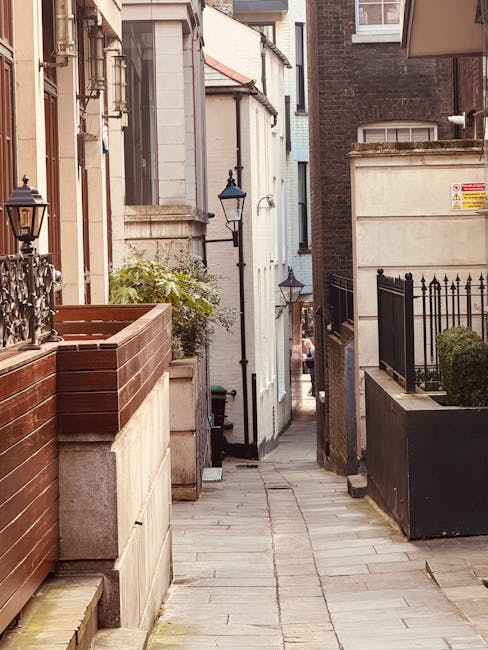
If you are moving in or out of Aldwych, the real challenge is often not the packing tape or the van booking. It is the building access. Staircases that turn sharply, narrow mews entrances with awkward corners, and lifts that are tiny, slow, or out of service can turn a straightforward move into a very long day. That is exactly why understanding Staircase, narrow mews and lifts: Aldwych access problems matters before anything gets carried upstairs.
In this guide, we'll break down what these access problems actually look like, why they matter, and how to plan around them without panic. You'll find practical steps, a comparison of move methods, a realistic example, and a checklist you can use before moving day. A little preparation goes a long way. Truth be told, it saves a lot of shouting on the landing too.
Why Staircase, narrow mews and lifts: Aldwych access problems Matters
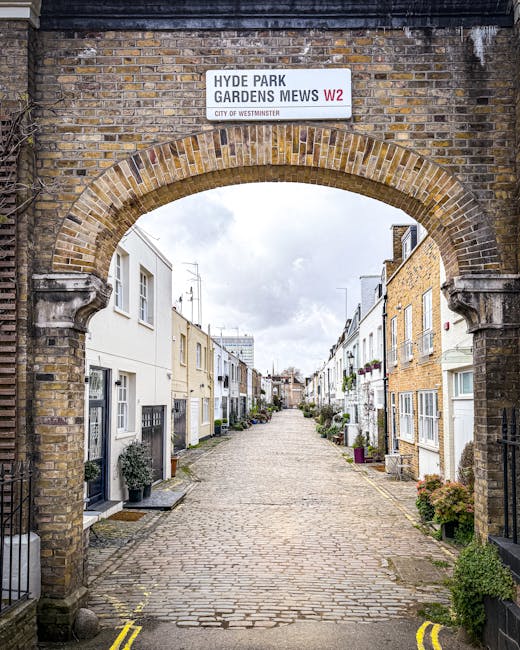
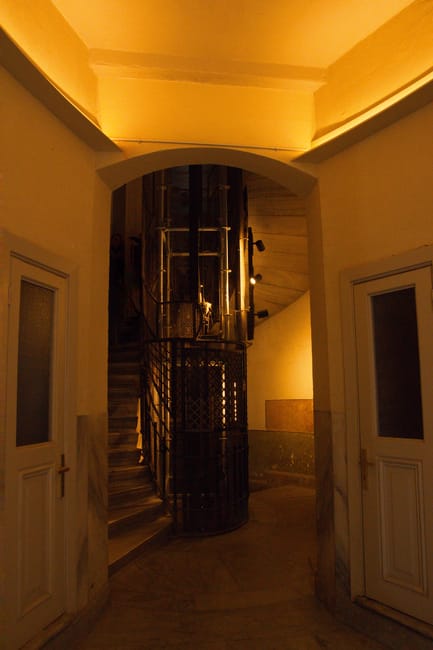
Aldwych sits in one of those parts of London where the streets look elegant and efficient until you actually try to move furniture through them. Then the reality appears. A staircase may be steep, an internal corridor may be tight, and a lift may be too small for a sofa, a mattress, or even a large chest of drawers. If the property is on a mews, there may be limited vehicle access, turning space, and no easy place to pause while you figure things out.
Access problems matter because they affect almost every part of a move:
- how long loading and unloading takes
- whether larger items can fit at all
- how many people you need on site
- what protective materials you need
- the risk of damage to walls, floors, bannisters, or the item itself
- the amount of lifting, turning, and holding required in awkward positions
There is also the human side. A narrow stairwell can make an otherwise calm move feel tense. Everyone starts speaking a bit too loudly, someone loses grip on the protective blanket, and the whole thing becomes a puzzle with a heavy object in the middle of it. Not ideal.
For local moves, this matters even more because Aldwych properties often combine older building layouts with busy central London access conditions. If you are dealing with flats above commercial premises, period conversions, or managed buildings, the access route can be just as important as the destination address.
For wider moving advice around the area, the Aldwych removals guide for moving in and around the Strand is a useful companion read, especially if you are also juggling timing, parking, and building entry rules.
How Staircase, narrow mews and lifts: Aldwych access problems Works
In practical terms, access planning is about matching the size, shape, and weight of your belongings to the route they need to travel. That includes the front entrance, any communal hallways, staircases, landings, lifts, and the final room itself. You are not only measuring a sofa; you are measuring the journey.
Here's the basic flow most experienced movers follow:
- Survey the route. Check door widths, stair turns, lift dimensions, ceiling heights, and any awkward corners.
- Identify problem items. Sofas, wardrobes, bed frames, pianos, freezers, and long mirrors usually cause the most trouble.
- Choose the best moving path. Sometimes the lift is best; sometimes the stairs are safer; sometimes an alternative entrance saves the day.
- Prepare protection. Floor runners, blankets, corner guards, and straps help reduce damage and give better control.
- Assign roles. One person leads, one stabilises, one watches the corners. Simple, but very effective.
- Move methodically. Slow, steady, and planned beats fast and chaotic every time.
Narrow mews add another layer. These streets may limit van positioning, which means you may have to carry items further than expected. That changes the planning. A move that looks like a short walk from the van may actually involve repeated turns, steps, and door thresholds. In those cases, the load order becomes important. Heavy and bulky items go in first only if the route and timing allow it.
Lifts have their own quirks. A lift may be too shallow for a wardrobe but fine for boxes and smaller items. It may stop on request, but not hold the doors long enough. Or it may be available for only a fixed period if the building manager has set rules. That is why a good access assessment is not just about dimensions; it's about how the building behaves in real life.
If you are moving unusually awkward items, such as a piano, it is worth being especially cautious. Our guide on why professional movers are essential for piano relocation gives a good sense of how specialised handling changes the whole process.
Key Benefits and Practical Advantages
Good access planning is not just about avoiding a headache. It creates a cleaner, safer, faster move. And, to be fair, that is exactly what most people want on moving day.
- Less risk of damage. Careful route planning protects doors, walls, stair edges, and furniture finishes.
- Better time control. If you know where the bottlenecks are, you can schedule around them.
- Safer lifting. Fewer sudden turns and less guesswork means less strain on the people carrying items.
- More suitable vehicle choice. A smaller van or a second trip may be smarter than forcing a poor fit.
- Cleaner communication. Everyone knows the route, the order, and who is doing what.
- Less stress. This one is not small. A move feels very different when the access plan is clear from the start.
There is also a commercial advantage. If you are comparing removal options, a mover that understands tight access in Aldwych will usually give a more realistic plan than one that just quotes based on room count. That is where experience shows. It is not flashy. It is just practical.
If you are looking at broader support, a full overview of available help is covered in the services overview, which is useful when you need to decide whether you need a simple man and van, a full flat move, or extra packing support.
Who This Is For and When It Makes Sense
This kind of planning is useful for anyone moving in Aldwych, but it becomes essential in a few common situations:
- Flat moves in converted buildings. Older layouts often mean narrower landings and tighter door turns.
- Properties in mews streets. Vehicle access and loading space can be limited.
- Moves involving bulky items. Sofas, beds, wardrobes, freezers, and pianos need extra thought.
- Student or short-term lets. These often have small lifts and lots of stairs.
- Office or mixed-use buildings. Shared entrances and managed lift access can complicate timing.
- Same-day or short-notice moves. There is less time to recover from bad planning, so access needs to be right first time.
For students, the challenge is often less about sheer volume and more about awkward combinations: a desk, a mattress, a suitcase, a bike, and a couple of boxes. That sounds manageable until you hit a fifth-floor walk-up. For that kind of move, student removals in Aldwych can be a sensible fit if you need a straightforward, practical approach.
It also makes sense if you are moving only a few items but the building access is difficult. A small move can still be a complex one. In fact, sometimes it is the small-but-heavy jobs that catch people out, because they assume less volume means less planning. Not always, not even close.
Step-by-Step Guidance
If you want a move to feel more controlled, start here. This is the process we'd recommend for most Aldwych access situations.
- Measure everything that matters. Measure the item, then the doorways, stair width, lift interior, and any turning points. Do not guess. Guessing is the enemy here.
- Photograph the route. A few quick pictures of the staircase, lift, and entrance can help identify pinch points before moving day.
- List the awkward items. Write down anything that is oversized, fragile, heavy, or awkwardly shaped.
- Check building access rules. Some properties need lift booking, protective padding, advance notice, or restricted move times.
- Choose the loading order. Put the bulkiest items at the front of the plan, not at the end when everyone is tired.
- Prepare the space. Clear hallways, remove trip hazards, and keep the route open.
- Protect the building. Use blankets, runners, and edge protection where needed.
- Test the route with one item first. A quick trial run with a lighter piece can expose problems before the heavy lift starts.
- Keep communication simple. Short instructions work best: stop, lift, turn, lower, reset.
- Be ready to change the plan. If the lift is too small or the staircase too tight, switch approach rather than forcing it.
A small practical example: a bed frame might fit through the lift in pieces but not fully assembled. If that happens, disassembly is not a failure. It is smart moving. The same logic applies to wardrobes, shelving units, and some desks. A little patience here can save a lot of scratched paint later.
If you want more guidance on preparing the contents of your home before moving day, the article on packing like a pro when you move house is a helpful practical read.
Expert Tips for Better Results
A few small adjustments can make a surprisingly big difference in tight-access moves. These are the things that tend to help most in the real world.
- Measure with the packaging on. A sofa in a cover, or a mattress in a protector, is slightly larger than the bare item.
- Use the lift strategically. If it is small, reserve it for boxes and light items, and move bulky pieces by stair if that is safer.
- Take corners slowly. Most damage happens during turns, not straight lifts.
- Remove obstacles early. Door mats, coat stands, bins, and shoe racks can create silly little delays.
- Pre-strip furniture where possible. Remove legs, shelves, handles, or doors to make large items more manageable.
- Keep your hands protected. Good gloves improve grip, especially on smooth surfaces or in damp weather.
- Plan around busy times. In central London, mornings and peak traffic can make everything slower, including access.
One good rule: if the route feels awkward when empty, it will feel twice as awkward when you are carrying a fridge. That sounds obvious, but people still underestimate it. We've all seen it happen. The item is already halfway through the doorway and suddenly everyone realises the angle is wrong. Oops.
For heavier manual handling, it can help to understand the mechanics of safe movement. The post on kinetic lifting explains why posture, timing, and balance matter so much when moving weight through restricted spaces.
Common Mistakes to Avoid
Tight access exposes weak planning very quickly. These are the mistakes that cause the most problems:
- Assuming the lift will fit. Many people only discover the issue after the item is already on the landing.
- Ignoring turning space. A doorway may be wide enough, but the approach angle may not.
- Forgetting bannisters and light fittings. These are easy to clip in narrow stairwells.
- Overloading one mover. One person should not be left doing all the stabilising.
- Not checking building rules. Lift bookings, time limits, and protective requirements can all affect the plan.
- Leaving packing too late. If boxes are still open on moving morning, access problems become harder to manage.
- Choosing the wrong vehicle size. A van that is too large for a mews can create parking trouble; one that is too small creates extra trips. Neither is ideal.
The biggest mistake, though, is treating access as a side issue. It is not. It is the job. Everything else depends on it.
Tools, Resources and Recommendations
You do not need specialist gear for every move, but the right basic kit helps enormously. For Aldwych access problems, the most useful tools are often the simplest ones.
- measuring tape
- protective blankets
- stretch wrap or furniture wrap
- moving straps or lifting straps
- gloves with a good grip
- floor protection for hallways and stairs
- basic tools for disassembly
- labels for boxes and furniture parts
- torch or phone light for darker stairwells and service areas
It also helps to use related planning resources before the move itself. If you are dealing with larger household items, these guides can be useful:
- efficient bed and mattress moving strategies
- sofa storage and handling advice
- freezer storage guidance for longer periods
- solo heavy object lifting strategies
If you need item-specific handling, furniture-focused help can also be useful. For example, a move involving bulky pieces may suit furniture removals in Aldwych, while awkward high-value instruments may point you towards piano removals in Aldwych.
Law, Compliance, Standards, or Best Practice
Moving in London often involves a mix of building rules, safety expectations, and practical common sense. Exact arrangements vary by property, landlord, management company, and vehicle access, so it is wise to confirm the details early rather than rely on assumptions.
From a best-practice point of view, the main priorities are:
- safe manual handling for anyone carrying items
- clear access planning to reduce obstruction and delay
- building protection to avoid damage to floors, walls, and shared spaces
- clear communication with residents, management, or reception where relevant
- appropriate insurance awareness before moving valuable or fragile goods
It is also sensible to check whether the building has restrictions on lift use, hallway protection, moving hours, or parking arrangements. In a busy part of central London, a move that ignores these details can become awkward very fast. A bit of formality up front saves a lot of awkward apologising later.
If you want reassurance around cover and careful handling, the insurance and safety information page is a useful reference point. For broader service expectations and what a professional move should cover, health and safety policy details are also worth reviewing.
Options, Methods, or Comparison Table
Not every access problem needs the same solution. Sometimes a lift is perfect. Sometimes stairs are unavoidable. Sometimes you need a mixed approach, which is very common in Aldwych.
| Method | Best for | Strengths | Limitations |
|---|---|---|---|
| Lift-first move | Boxes, small furniture, lighter items | Less lifting, faster for repetitive trips | May be too small for sofas, wardrobes, or large beds |
| Staircase move | Items that just fit awkwardly or where lift access is limited | Works when lift dimensions are restrictive | Slower, more physical, higher chance of scuffs if poorly handled |
| Mews-friendly small van setup | Narrow streets and limited vehicle access | Easier approach, less parking pressure | May require more trips if capacity is smaller |
| Mixed approach | Most real Aldwych moves | Flexible and realistic | Needs better coordination and clearer role division |
In practice, the mixed approach is often the safest and calmest. A lift may carry boxes while stair-trained movers handle the awkward items. That is not overcomplicating things. That is matching the job to the building.
If you are unsure which service shape suits your move, the man and van Aldwych option can work well for smaller loads, while larger households may need house removals in Aldwych or flat removals in Aldwych.
Case Study or Real-World Example
Picture a typical Aldwych flat move. The property is on an upper floor, the lift is narrow, and the staircase has a tight turn at the half landing. There is a sofa, a mattress, a dining table, and several boxes. The van can park nearby, but only for a short loading window. Nothing dramatic, just a very normal central London move with a few complications.
In a situation like this, the best outcome usually comes from preparation rather than strength. The sofa is measured before moving day and wrapped properly. The mattress goes through the lift because it fits flat once protected. The dining table legs are removed in advance, which saves time on the stair turn. Boxes are grouped so the first trips are efficient and the route stays clear. No one is racing. No one is guessing. The move feels controlled, even if it is not perfectly easy.
One useful thing to notice: problems rarely come from a single big failure. They come from five little assumptions. "The lift will be fine." "The staircase will be wide enough." "We can just squeeze it through." "The van should be able to stop anywhere." Those small assumptions add up quickly. Better to deal with them one by one, before the first lift of the day.
For moves where timing and parking are especially sensitive, the article on best times for moving on Kingsway and parking tips gives helpful local context.
Practical Checklist
Use this checklist the day before your move. It keeps the access side of things clear and calm.
- Measure all large items, including packaging if fitted
- Check door widths, stair turns, and lift dimensions
- Confirm lift booking or building access permissions
- Ask whether floor protection is required
- Clear hallways, landings, and entrances
- Identify items that should be dismantled
- Label fragile or awkward items clearly
- Prepare blankets, straps, gloves, and tools
- Plan the loading order for the van
- Make sure parking and unloading arrangements are realistic
- Keep one person responsible for route control
- Have a backup plan if the lift is unavailable
Small list, big payoff. It really is that simple.
Conclusion
Staircases, narrow mews, and lifts are not just a nuisance in Aldwych; they shape the whole moving experience. If you understand the access route early, you can avoid damage, reduce stress, and choose the right moving method for the building. That is the heart of Staircase, narrow mews and lifts: Aldwych access problems - not just getting things from one room to another, but getting them there safely and sensibly.
The best moves are usually the ones that look uneventful from the outside. No drama, no rushed lifting, no awkward "it should fit" moments. Just steady planning, good communication, and the right support where needed. If you are moving in Aldwych, especially in a flat, mews property, or older building, access planning is not optional. It is the part that makes everything else work.
Get a free quote today and see how much you can save.
And if you are still mapping everything out, take your time. A careful move is almost always a better move, and you'll feel that difference before the last box is even unpacked.