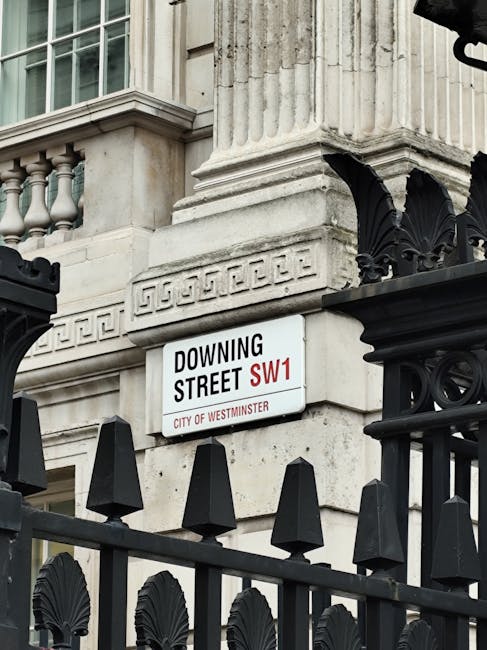
Avoid Westminster Council fines: Aldwych moving permits
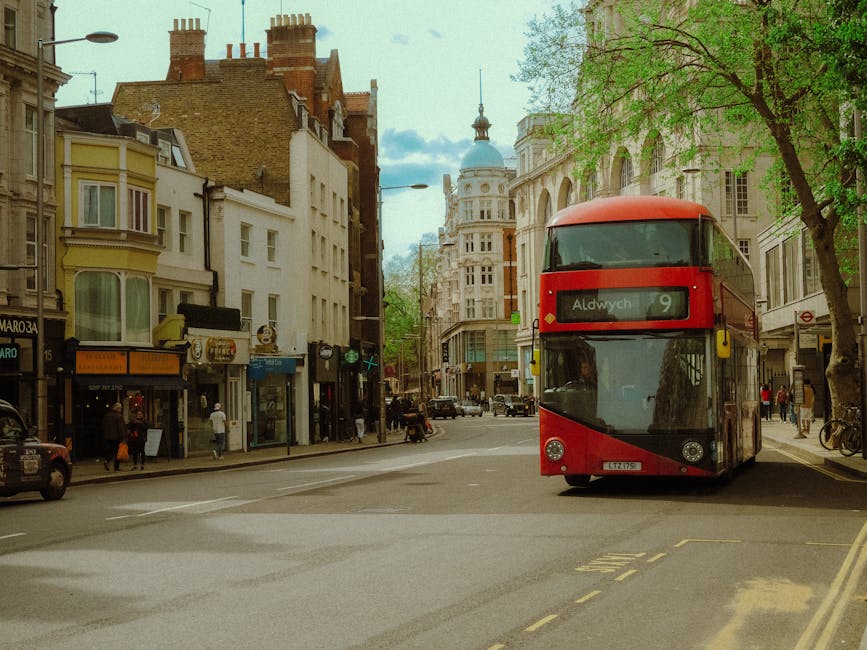
If you are moving in or out of Aldwych, the last thing you want is a penalty landing on the doormat because a van stopped where it shouldn't. Avoid Westminster Council fines: Aldwych moving permits is really about getting the parking, loading, timing, and access details right before moving day turns into a scramble. Around Aldwych, a small mistake can be enough to cause a permit issue, a bay suspension problem, or a very awkward conversation with enforcement. Not ideal, frankly.
This guide walks you through what moving permits are, why they matter in Westminster-managed streets near Aldwych, and how to plan a move that stays smooth, lawful, and far less stressful. You'll also find practical checklists, a comparison table, and a few local moving tips that can save you time, money, and a lot of hassle.
Why Avoid Westminster Council fines: Aldwych moving permits Matters
Aldwych sits in a part of central London where road space is tight, timing matters, and parking rules are rarely forgiving. If your removal van arrives without the right permission, you may end up blocking a loading bay, overstaying in a restricted area, or forcing the crew to work around enforcement risk rather than the move itself. That can mean delay, stress, and avoidable cost.
To be fair, moving house already asks a lot of you. Boxes everywhere, keys in one pocket, phone charger missing, someone asking where the kettle is. The permit side should not become another fire to put out. Planning ahead lets you focus on the actual move: protecting furniture, managing access, and getting everything out on time.
There is also a practical business reason. Professional removal teams build their route and arrival timing around local restrictions. If you are using a man with a van in Aldwych, the difference between a clean, permitted stop and a random roadside halt can be the difference between a calm move and a messy one. And if the property is awkward, such as a narrow street or a building with limited frontage, the permit question becomes even more important.
In local moving work, one small permission issue can ripple through the whole day. A delayed van can mean longer labour time, missed lift booking windows, and more pressure on everyone involved. Nobody needs that at 8:15 on a Tuesday morning.
How Avoid Westminster Council fines: Aldwych moving permits Works
Moving permits are usually part of a wider parking and access plan. The exact process depends on the street, the type of bay or restriction, the size of the vehicle, and whether the move needs a temporary suspension or special loading arrangement. In plain English: you are not just booking a van, you are booking a lawful place for that van to stand while work is carried out.
For Aldwych moves, the working pattern is often something like this:
- Check the property's frontage, access route, and likely parking constraints.
- Work out whether the removal vehicle can load safely and legally close to the building.
- Confirm whether a permit, bay suspension, or loading exemption is needed.
- Plan the time window carefully, especially if the area is busy or shared with commercial traffic.
- Coordinate the van, crew, and building access so no time is wasted once the vehicle arrives.
The important part is this: if the van cannot stop in the right place, the team may have to carry items further than expected. That increases handling time and, in some cases, the risk of damage. A permit is not just paperwork. It is a logistics tool.
If you are moving somewhere with awkward access, such as upper-floor flats, mews properties, or buildings with lift restrictions, a simple parking assumption can go wrong quickly. You can read more about those access headaches in our guide to staircase, narrow mews and lift access problems. It's one of those topics people ignore until the sofa is halfway up the stairs and everyone is pretending it's fine.
Key Benefits and Practical Advantages
Getting the permit side right gives you more than just compliance. It improves the whole moving day experience.
- Lower enforcement risk: You reduce the chance of penalties, warnings, or disruption from parking control.
- Smoother loading: The van can stop closer to the property, which makes lifting and carrying more efficient.
- Better time control: Crews spend less time circling for space and more time moving your belongings.
- Less physical strain: Shorter carry distances mean fewer heavy hauls, especially useful for bulky items.
- Fewer access conflicts: A planned stop helps avoid arguments with neighbours, business premises, or other road users.
- Less damage risk: Efficient loading reduces the temptation to rush, drag, or bend awkwardly through tight spaces.
There is also a hidden benefit that people often miss: calmer decision-making. When the vehicle position is sorted, everything else feels more manageable. Packing is easier. The crew can work with a rhythm. You can actually breathe between trips. That alone is worth something.
If you want a broader sense of how planning helps the whole move, our article on a calm and stress-free house move is worth a look. Permit planning is one of the quiet ingredients behind a less frantic day.
Who This Is For and When It Makes Sense
Moving permits in Aldwych are relevant to far more people than first-time movers assume. In practice, they matter whenever a vehicle needs to stop, load, or unload in a controlled or restricted street environment.
This usually includes:
- home movers with a van or removal lorry
- flat moves with tight street access
- student moves with short windows and limited parking
- office relocations where loading must happen outside peak hours
- same-day or short-notice removals that still need a lawful stopping plan
It also makes sense if you are moving anything unusually awkward or valuable. For example, a piano, large sofa, bed frame, or freezer can quickly turn into a logistics problem if the vehicle cannot stop close enough. Our page on piano removals in Aldwych explains why access planning matters so much with specialist items.
And yes, if the move feels small, you still need to think about parking. Small move, small van, same restrictions. Westminster does not care that you only have six boxes and a lamp. Rules are rules.
Step-by-Step Guidance
Here's a sensible way to approach Aldwych moving permits without overcomplicating the job.
1. Assess the building and street first
Start with the basics: where can the van reasonably stop, and how far would items need to be carried? Look at the width of the road, the presence of single or double yellow lines, nearby loading spaces, and whether there is room for the crew to work without blocking access.
2. Decide what type of parking solution you need
Some moves only need careful timing in an available loading area. Others may need a formal permit or a bay suspension. The right answer depends on the street and the duration of the move, so do not guess if you can avoid it.
3. Book early enough to avoid last-minute pressure
Permit-related arrangements are easiest when they are handled before the moving date gets close. Leaving it late often forces compromises: less suitable parking, awkward carry distances, or a tighter schedule than anyone wants. Our last-minute Aldwych moves guide shows why access readiness matters more than people think.
4. Match the vehicle size to the access plan
If you know the street is tight, there is no prize for choosing a bigger van than you need. Sometimes a smaller vehicle with better access is the smarter choice, especially in central London where every metre of manoeuvring room matters.
5. Coordinate the move window with building access
Do not just think about the road. Think about lifts, concierge windows, resident rules, and any time limits for common areas. If you arrive at the wrong time, the van may be ready before the building is.
6. Keep proof and notes together
Have your permit details, booking confirmation, and contact information to hand. A little organisation here saves an irritating amount of back-and-forth on the day. A greasy coffee and a missing email is not the dream combination.
If you are packing at the same time, keep your label system simple and visible. The better your boxes are prepared, the quicker the crew can load once the van is in position. A good move is a chain of small good decisions, really.
Expert Tips for Better Results
These are the kinds of things that make a real difference in Aldwych rather than just sounding neat on paper.
- Build in a buffer: Street access in central London can be unpredictable, so allow slack in your timing.
- Use the quietest practical window: Early starts can help, but only if the building and access conditions support it.
- Plan for large-item handling separately: Sofas, beds, white goods, and pianos need special care and often slower loading.
- Keep the exit path clear: The smoother the walk from door to van, the safer and faster the load.
- Think about the weather: Rain changes grip, handling, and box protection. London drizzle, as always, likes to appear uninvited.
- Use a professional packing rhythm: Heavy items low, fragile items protected, essentials separate.
One thing we often recommend is checking whether your move involves items best handled by specialists. For instance, moving a piano or heavy furniture through tight access is not the time for improvisation. Relevant reading includes why professional movers matter for piano relocation and furniture removals in Aldwych.
Another practical detail: if the move is part of a larger house clearance or declutter, get rid of what you do not need before the van arrives. Our guides on tidying up before relocating and cleaning the house before relocating can help keep the day lighter. Less stuff usually means less stress. Simple, but true.
Common Mistakes to Avoid
Permit problems are rarely dramatic on their own. It is the combination of small oversights that causes trouble.
- Assuming parking will be available: In Aldwych, assumption is a risky hobby.
- Leaving permit arrangements too late: Last-minute planning can limit your options.
- Using the wrong vehicle size: Oversized vans can be harder to place and more likely to cause access issues.
- Ignoring loading distance: A legal stop that is far from the property can still make the move inefficient.
- Forgetting building rules: A great parking setup means little if the lift is booked or the concierge window has closed.
- Not protecting items properly: Delays make rushed handling more tempting, and that is when damage happens.
There's a smaller mistake too: not telling the removal team about unusual access details. A narrow mews entrance, steep staircase, or awkward turning circle should be mentioned before moving day. That sort of detail sounds minor until it isn't.
If you are handling a flat move specifically, our flat removals Aldwych page is useful context, especially where access and parking are tightly linked.
Tools, Resources and Recommendations
You do not need a mountain of gear to make this work, but a few simple tools and habits help a lot.
- Printed or digital move plan: Include times, access notes, contacts, and permit details.
- Room labels and fragile markers: Speeds up unloading and reduces confusion.
- Protective wrapping: Useful for doors, corners, mirrors, and timber furniture.
- Sturdy gloves and proper footwear: Not glamorous, but they matter.
- Measuring tape: Handy for checking furniture against doorways, lifts, and van space.
- Booking confirmation folder: Keep everything in one place so no one is hunting through messages at the kerb.
For a smoother move overall, it helps to combine permit planning with good packing habits. You might find expert packing tips for moving house useful if you want a more structured approach. If storage is part of the picture, there is also storage in Aldwych for situations where the move and the timeline do not line up neatly.
And if your move is urgent or short notice, a team experienced in same-day removals in Aldwych can be especially helpful because they tend to plan around speed, access, and timing in one go.
Law, Compliance, Standards and Best Practice
Although moving permits feel operational rather than legal, they sit inside a compliance framework that matters. In practice, you should treat street parking rules, loading restrictions, and any local permit requirements as part of your moving plan, not an afterthought.
Good practice usually means:
- checking parking and loading rules before the move
- making sure the vehicle is positioned legally and safely
- avoiding obstruction to pedestrians, neighbours, emergency access, or business traffic
- planning for the time the crew actually needs, not the time you hope they need
- keeping communication clear between the client, driver, and building contact
Because local arrangements can change and enforcement practices can vary, it is sensible to confirm the latest requirements directly through the relevant route at the time of booking. That is especially true in busy central London areas where road space can be reassigned, suspended, or restricted more frequently than people expect.
From a safety perspective, planning also connects with manual handling and access management. A sensible moving team will avoid unnecessary lifting, reduce trip hazards, and keep routes as short and clear as possible. For more on safe moving approaches, see insurance and safety and the practical background in kinetic lifting. Not every move needs gym-level effort. In fact, less strain is usually the smarter option.
Options, Methods and Comparison Table
Different moving setups suit different streets and schedules. Here's a simple comparison to help you think it through.
| Method | Best for | Pros | Watch-outs |
|---|---|---|---|
| Planned permit-backed loading | Most Aldwych home or office moves | Lower enforcement risk, closer access, smoother loading | Needs early coordination and accurate timing |
| Short loading stop without formal suspension | Smaller moves where space is already suitable | Quick and simple if conditions are right | Can fail badly if the street fills up or restrictions tighten |
| Off-peak move window | Busy streets and commercial routes | Easier access and less competition for road space | May depend on building access and crew availability |
| Smaller vehicle with better access | Narrow roads, mews, tight corners | Easier manoeuvring and less disruption | May require more trips if the load is large |
There is no universal winner here. The best choice is the one that fits the street, the property, and the volume of belongings. A large van is not automatically better. Sometimes it is just more awkward. That's the truth of it.
For moves around central London routes and nearby streets, it can help to review local planning advice like best times for moving on Kingsway and moving in and around the Strand. The timing lessons there translate well to permit planning in Aldwych.
Case Study or Real-World Example
Imagine a second-floor flat near Aldwych with a medium-sized sofa, a bed frame, a couple of storage units, and about twenty boxes. On paper, it sounds straightforward. In reality, the building entrance sits on a narrow street, the lift is small, and there is a loading restriction during the busiest part of the day.
If the van arrives without any access plan, the crew may have to park farther away than expected. That means longer carries, more stair traffic, and a slower pace. If the move takes longer than the permit-free stop allows, the whole day gets tense. Nobody wants to be balancing a mattress while checking the clock and worrying about parking control.
Now compare that with a planned approach. The crew knows the access route, the likely stopping point, the heavy items are prioritised, and the larger pieces are wrapped before loading starts. Boxes are stacked in the order they will come off the van. The property is ready. The move flows. It is not magical, just organised.
That is why local planning is so valuable. In a place like Aldwych, the road itself is part of the moving problem. Ignore it, and you pay for it later in time, energy, or, worst of all, penalties.
For larger household moves, the same logic applies to full-service removals too. You can see how that sits within our broader offering on house removals in Aldwych and removal services in Aldwych.
Practical Checklist
Use this checklist a few days before the move, then again the evening before. It is boring in the best possible way.
- Confirm the moving date, arrival window, and property access arrangements.
- Check whether the van can stop legally and safely near the entrance.
- Work out whether a permit, loading dispensation, or bay suspension is needed.
- Tell the removal team about stairs, lifts, narrow entrances, or mews access.
- Label fragile boxes and keep essential items separate.
- Disconnect white goods in good time if they are moving.
- Clear hallways, doorways, and the main carry route.
- Keep keys, permit details, and booking notes together.
- Have a backup plan if access is blocked or delayed.
- Double-check any building rules that could affect timing.
A small practical add-on: if you are moving a bed, mattress, sofa, or freezer, read the relevant planning guides first. They save you from awkward last-minute decisions. For example, bed and mattress moving strategies, sofa storage advice, and freezer storage guidance can all be helpful depending on what you are taking with you.
Get a free quote today and see how much you can save.
Conclusion
Aldwych moves are rarely about brute force. They are about timing, access, and making sure the vehicle can do its job without falling foul of local restrictions. If you want to avoid Westminster Council fines, the real win is simple: plan the permit side early, match the van to the street, and keep the moving day well organised.
That way, you protect your budget, reduce stress, and give the crew the best chance of working quickly and safely. Which, let's be honest, is what everyone wants on moving day. A clean finish, no fines, no drama, and maybe a decent cup of tea at the end.
And if the job feels complicated, it probably just needs a better plan, not more panic.
Frequently Asked Questions
Do I always need a permit to move in Aldwych?
Not always, but you do need a lawful way for the van to stop, load, and unload. In many central London streets, that means checking whether a permit, loading arrangement, or bay suspension is needed before moving day.
What causes Westminster Council fines during a house move?
Common causes include stopping in a restricted bay, blocking traffic or access, overstaying a time limit, or using a vehicle in a way that does not match the parking rules. Most problems happen because the parking plan was assumed rather than checked.
How far in advance should I sort out moving permits?
As early as possible. The nearer you get to moving day, the fewer options you usually have. Early planning also helps you coordinate the van, crew, and building access together instead of separately.
Can a man and van service help with permit planning?
Yes, a local team often helps with practical access planning, timing, and vehicle choice. A good man and van Aldwych service should understand how central London parking and loading pressures affect a move.
What if my building has a narrow entrance or difficult access?
Then you should factor that into the plan from the start. Narrow entrances, staircases, lifts, and awkward corners can all affect how long loading takes and where the van needs to stop. Early notice is very helpful.
Are short-notice or same-day moves still possible?
Sometimes, yes. But same-day moves usually need faster decision-making and very clear communication about parking and access. If the stop location is uncertain, delays become more likely.
Is it better to use a bigger van to reduce trips?
Not always. A bigger van can be harder to position in tight streets and may be less suitable where access is limited. In some Aldwych locations, a smaller vehicle is actually the smarter choice.
What items make permit planning more important?
Bulky or delicate items such as sofas, beds, pianos, wardrobes, and appliances make planning more important because they take longer to move and need a shorter, safer carry route.
Should I mention parking issues when asking for a quote?
Definitely. Parking and access details can affect vehicle size, loading time, and scheduling. The more accurate your information, the better the quote and the smoother the move.
What is the best way to reduce moving day stress?
Keep the access plan simple, pack early, label clearly, and make sure the van can stop where it needs to. A calm moving day usually comes from boring details handled well in advance.
Can storage help if parking or access delays the move?
Yes. Storage can be a useful backup if the new property is not ready or access is delayed. It gives you breathing room rather than forcing everything into one messy day.
Where should I start if I am moving from a flat in Aldwych?
Start with access. Check the stairs, lift, loading space, and any street restrictions first. Then plan the packing and vehicle timing around that reality, not the other way round. It sounds obvious, but plenty of moves go wrong there.