Commercial Moves in Aldwych
Commercial Moves in Aldwych for Businesses That Need a Smooth, Well-Planned Relocation

If you are planning Commercial Moves in Aldwych, you are likely balancing a lot more than just boxes and desks. In this part of central London, a business move can involve tight access, time-sensitive building rules, shared entrances, lift bookings, loading restrictions, and the need to keep staff productive while operations continue. That is why a carefully organised commercial relocation matters so much here.
Aldwych sits in a busy, highly connected area close to the Strand, Covent Garden, Holborn, Temple, and the wider West End, which makes it attractive for offices, professional practices, creative firms, hospitality businesses, and small teams needing a central base. It also means moving day can be complicated if the plan is not built around the realities of the local streets, traffic flow, and building access requirements.
Whether you are moving a single office floor, relocating a small business unit, transferring a whole commercial premises, or upgrading to a more suitable workspace, a local team that understands the area can help reduce disruption and make the process far easier to manage.
Why a Local Commercial Moving Service Matters in Aldwych

Commercial relocation is not just about lifting and transport. It is about timing, coordination, protection, communication, and practical problem-solving. In Aldwych, where many buildings are part of dense, multi-use streets and some premises are located in older properties with narrow access points, a local approach can make a major difference.
Businesses in the area often need to work around staggered start times, concierge or facilities management procedures, and building rules for move-in and move-out. A commercial moving service in Aldwych should therefore be designed to fit around your business rather than interrupt it. That means planning for early arrivals, out-of-hours moves where necessary, and structured handling of furniture, stock, archives, and equipment.
Local expertise is also valuable when coordinating between different parts of central London. Nearby districts such as Covent Garden, Holborn, Fleet Street, and Waterloo each bring their own access patterns and traffic considerations. A team familiar with these surroundings can plan routes and loading arrangements more effectively, helping keep your move on schedule.
Common reasons businesses move in and around Aldwych
Companies relocate for many reasons, and each one brings different operational needs. Typical situations include:
- Growing into a larger office space
- Moving closer to clients, stations, or transport links
- Reducing overheads by downsizing
- Reconfiguring a workspace for hybrid working
- Opening a second site or branch
- Refurbishing existing premises and needing temporary relocation
Whatever the reason, the move should be planned around your business objectives as well as your physical assets. A strong moving plan helps protect equipment, maintain continuity, and reduce the risk of confusion on the day.
What Is Included in Commercial Moves in Aldwych?

Every business has different priorities, but most commercial moves in Aldwych benefit from a structured service that covers more than transport alone. Depending on your needs, this can include planning, packing, loading, transportation, unloading, and placement at the new site.
A well-organised service for Commercial Moves in Aldwych should be able to support a wide range of business types, from traditional offices and law firms to media studios, consultancies, retail units, showrooms, and hospitality back-of-house operations. The aim is to move everything efficiently while keeping assets safe and minimising business interruption.
Common inclusions often involve:
- Pre-move planning and scheduling
- Disassembly and reassembly of desks, tables, and office furniture
- Safe handling of IT equipment and peripherals
- Transport of filing cabinets, archive boxes, and documents
- Special care for fragile items, display materials, and stock
- Labelling systems to keep departments and teams organised
- Placement of items at the new premises based on your layout plan
For businesses with extra needs, the move may also include waste removal, crate supply, inventory support, or coordination with building management teams.
Why this matters for busy commercial properties
Commercial premises in central London often operate on limited schedules. Even a short delay can affect clients, staff, deliveries, or opening times. A detailed service structure helps avoid unnecessary downtime and keeps everyone clear on what happens next.
How the Commercial Moving Process Usually Works
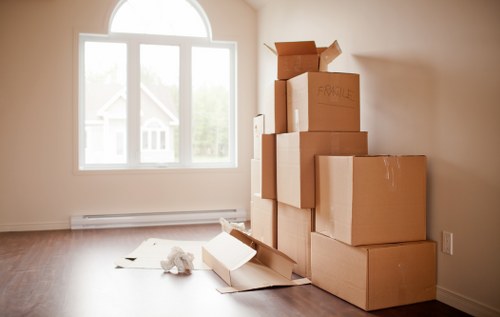
When businesses enquire about commercial moving help in Aldwych, they often want to know how the move will actually happen. A clear process creates confidence and makes it easier to prepare teams, facilities staff, and stakeholders. While every job is different, the overall process often follows a practical sequence.
1. Initial discussion and requirements review. This is where the nature of the move is understood. You may be relocating a few rooms, an entire floor, or a more complex combination of office and storage areas. Key details such as access, volume, sensitive items, and timing are gathered early.
2. Site assessment and planning. In central London locations like Aldwych, a move plan should take account of lifts, stairwells, loading zones, parking limitations, and building restrictions. For some properties, the plan also needs to reflect shared entrances, security procedures, and busy pedestrian routes.
3. Packing and preparation. Depending on the service level you choose, packing may be handled by the moving team, your staff, or a combination of both. Labelling, department coding, and clear instructions all help reduce errors.
4. The moving day itself. Items are protected, loaded efficiently, and moved in the right order. Equipment that needs careful handling, such as monitors, printers, servers, or specialist tools, is treated appropriately to reduce damage and downtime.
5. Delivery and setup. The final stage is more than unloading. Items should be placed where they belong so that teams can return to work quickly. Desks, chairs, and boxes are positioned according to your plan, and any agreed reassembly is completed.
For many organisations, the biggest benefit is not just the move itself, but the sense of order throughout the process.
Preparing for a Business Move in Aldwych

Preparation is one of the most important parts of any office relocation or commercial removal. The better prepared your team is, the less stressful the move will feel. In Aldwych, where access windows may be limited and building coordination can be strict, early planning becomes even more valuable.
Before moving day, it helps to create an internal checklist for staff and managers. This does not need to be complicated, but it should be detailed enough to keep everyone aligned. The exact items will depend on your business, but the following points are often useful.
Preparation checklist for commercial customers
- Confirm your moving date and any building access rules
- Identify which items are staying, moving, or being disposed of
- Back up digital data and secure important files
- Label equipment, boxes, and furniture by department or room
- Notify staff of packing deadlines and moving-day expectations
- Arrange parking or loading permissions where needed
- Clear corridors, storage areas, and access routes
- Separate valuables and confidential materials for controlled handling
- Inform clients, suppliers, and partners if operations will be interrupted
Tip: If your business operates during the move, assign a point person who can answer questions and make quick decisions. This helps the moving team work efficiently without repeated interruptions.
Businesses that prepare well often find that the move feels less disruptive, and teams can settle into the new space much faster.
Commercial Property Types Commonly Moved in Aldwych
Aldwych and the surrounding central London districts are home to a wide mix of property types, each with its own moving challenges. Understanding the layout and use of a building helps a moving team adapt the service appropriately.
Some of the most common commercial property types include:
- Serviced offices and shared workspaces
- Traditional offices in modern or period buildings
- Professional practices, including legal and financial firms
- Retail units and display spaces
- Hospitality support areas and back-of-house facilities
- Creative studios and production spaces
- Storage rooms, archives, and document-heavy premises
Older buildings can be particularly challenging due to narrow hallways, stair access, or limited lift capacity. By contrast, some modern premises may have strict booking systems, dock rules, or security procedures. A local commercial mover should be ready for both situations and adapt to the building rather than forcing a one-size-fits-all approach.
Why property type affects the move
Different buildings need different handling. A tech company moving hardware and workstations will have different concerns from a law firm moving archives and confidential paperwork, or a retailer moving stock and fixtures. Matching the service to the premises helps protect your assets and your schedule.
Parking, Access, and Traffic Challenges in the Aldwych Area
Anyone arranging Commercial Moves in Aldwych quickly discovers that access is one of the main planning points. Central London locations often have limited stopping options, busy roads, pedestrian-heavy streets, and building-specific loading arrangements. That does not make a move impossible, but it does mean the logistics need attention early.
Nearby routes can be affected by congestion, event traffic, roadworks, and timed restrictions. Some commercial buildings have dedicated loading bays, while others rely on narrow windows for deliveries and collections. If vehicles cannot stop close to the entrance, extra handling time may be needed, and the move should be planned around that reality.
For businesses in Aldwych and surrounding areas such as Temple, Covent Garden, Holborn, and the Strand, local knowledge can help avoid delays caused by poorly timed arrival slots or unsuitable vehicle choices. A commercial moving team should be able to scale the vehicle size and crew to suit the site, balancing efficiency with access limitations.
Practical access points to think about
- Building entry restrictions
- Lift size and booking limits
- Stair access and corridor widths
- Loading bay availability
- Permit or permission requirements
- Street congestion at peak times
These factors do not just affect the moving crew; they can also influence how your staff pack, label, and stage items before the move begins.
Benefits of Choosing a Professional Commercial Moving Team
A business move is one of those tasks where experience really shows. A professional team can help reduce downtime, protect assets, and create a clearer experience for everyone involved. That is especially true in a location like Aldwych, where timing and access are often as important as the physical move.
Reduced disruption. A well-planned relocation helps your business keep operating with less confusion. Teams can return to work sooner when items are delivered in the right order and set out correctly.
Better protection for equipment. Office furniture, IT hardware, monitors, filing systems, and specialist tools all need appropriate care. Professional handling reduces the risk of breakage, missing parts, or avoidable damage.
More efficient use of staff time. Instead of asking employees to manage heavy lifting or unclear logistics, you can keep them focused on their roles. This is especially useful for businesses with busy client commitments or frontline responsibilities.
Cleaner coordination. A professional moving service can work alongside building managers, reception teams, and internal stakeholders to help avoid mistakes on the day.
For many local customers, the biggest benefit is peace of mind. You know the move has been planned with the area, the property, and the business in mind.
What Can Be Moved During a Commercial Relocation?
Commercial moves can involve a wide range of items, and the exact mix varies from one company to another. In Aldwych, the diversity of business types means a moving team may need to handle anything from compact office furniture to specialist equipment or high-volume documentation.
Typical items moved include:
- Desks, chairs, tables, and storage units
- Computers, monitors, printers, and peripherals
- Filing cabinets and archive boxes
- Retail stock and shelving
- Reception furniture and client-facing fittings
- Meeting room equipment and presentation hardware
- Back-office items, kitchen equipment, and supplies
- Specialist tools, display items, and work materials
Some items may require particularly careful packing or handling, especially if they are fragile, valuable, or central to your operations. In those cases, it helps to flag them early so the moving team can plan suitable protection and loading methods.
Important: Confidential documents and sensitive records should be handled in line with your own business procedures. Many organisations prefer to keep these items under controlled supervision rather than leave them mixed with general office goods.
How Pricing Factors Are Usually Assessed
Customers often want to know what affects the cost of commercial moving services, especially in a location like Aldwych where access and timing can play a major role. While exact pricing depends on the job, several common factors usually influence the quote.
These factors may include:
- The size of the move and total volume of items
- Distance between the current and new premises
- Access conditions at both sites
- Number of crew members required
- Whether packing, dismantling, or reassembly is needed
- Special handling for IT, archives, or fragile goods
- Timing requirements, including evenings or weekends
- Parking, loading, and transport constraints
Because each commercial move is different, it is usually best to request a tailored quote based on the actual premises and workload. That gives you a clearer view of the service required and helps you compare options more realistically.
Tip: Be as detailed as possible when explaining your move. The more information you share about access, assets, and deadlines, the more accurate the estimate is likely to be.
Why Businesses in Aldwych Choose a Local Company
There are good reasons businesses often prefer a local provider for commercial removals in Aldwych. Proximity is useful, but local familiarity goes further than that. It can shape the entire experience from planning to completion.
A local company is more likely to understand the practical realities of the area, including route planning, building access conditions, and the pace of central London business life. That knowledge can be especially helpful if your move needs to happen outside standard office hours or be coordinated around busy tenancy schedules.
Local service also tends to be more responsive to urgent questions and scheduling changes. Commercial moves rarely go exactly as expected, and having a team that can adapt quickly can be a real advantage.
Local value for businesses nearby
Companies based in Aldwych often work with partners, clients, and suppliers across nearby areas such as:
- Covent Garden
- Temple
- Holborn
- The Strand
- Fleet Street
- Waterloo
- Lincoln’s Inn
Because these districts are close together yet operationally different, it helps to have movers who understand how to navigate them efficiently. That can make route planning, timing, and access control much easier.
How to Reduce Downtime During the Move
Business owners and office managers usually want one outcome above all else: a move that does not grind work to a halt. Reducing downtime is possible when the move is planned in stages and everyone knows what to expect.
Some practical ways to reduce disruption include moving non-essential items first, separating teams by department, preparing a clear floor plan for the new premises, and keeping critical technology aside for controlled handling. If your business can move in phases, that can also help maintain continuity.
It is often worth thinking about which tasks can be completed before moving day. For example, unpacking stationery, packing archived files, labelling rooms, and clearing unused equipment in advance can all save time later.
Helpful ways to stay organised
Use one person or a small team to oversee move decisions. Too many decision-makers can slow things down. A nominated contact helps keep instructions consistent.
Keep an essential kit separate. Important chargers, keys, documents, basic tools, and first-day supplies should stay easy to access.
Plan for the first hour in the new space. It helps to know where key equipment should go first so the team can resume work in stages.
Questions Customers Often Ask About Commercial Moves in Aldwych
When businesses are getting ready to relocate, they often ask the same practical questions. Here are some of the most common ones, answered in a straightforward way.
Can a move be arranged outside normal office hours?
Yes, many businesses prefer evening or weekend scheduling so that operations are less affected. This is especially useful in central London where daytime access can be more difficult.
Do we need to pack everything ourselves?
Not necessarily. Some customers prefer a full packing service, while others handle their own packing and use movers for loading, transport, and setup. The right option depends on your time, budget, and internal capacity.
How far in advance should a business move be booked?
It is best to plan as early as possible, especially if your premises have access rules, shared building facilities, or limited loading windows. The more complex the move, the more valuable early scheduling becomes.
Can a moving team handle sensitive office equipment?
Yes, but it is important to discuss the nature of the equipment in advance. That allows the movers to prepare the right protection and handling approach.
What if our building has limited access or no lift?
That is common in central London properties. A local commercial removal team can adjust the crew size, method, and schedule to suit the building.
Will our staff need to be involved on moving day?
Usually only in a supervisory or coordination role, unless you want staff to manage their own desk contents or personal items. Many businesses prefer a structured plan so employees can stay focused on work.
Choosing the Right Service Level for Your Business
Not every company needs the same type of commercial removal support. Some want a simple transport service, while others need a more hands-on approach that includes packing, furniture handling, and setup. Choosing the right service level helps avoid paying for tasks you do not need, while still making sure the important details are covered.
You might want a fuller service if your move involves multiple departments, valuable equipment, a strict deadline, or a building with difficult access. If your move is smaller or more straightforward, a leaner service may be enough.
For businesses in Aldwych, where schedules can be tight and premises often have specific rules, it is worth balancing simplicity with practicality. A move that looks straightforward on paper can become complicated quickly if access or timing is underestimated.
Good planning makes all the difference. When the right service level is matched to your business needs, the move feels much more manageable and your team can get back to normal sooner.
Areas Covered Around Aldwych
Commercial moves in Aldwych often extend into nearby central London districts, particularly where businesses have satellite offices, storage spaces, or alternative premises. A flexible local team should be able to support moves within the immediate surrounding area and across nearby commercial zones.
Areas commonly associated with Aldwych moves include:
- The Strand
- Covent Garden
- Temple
- Holborn
- Fleet Street
- Waterloo
- Westminster-adjacent business districts
If your relocation involves more than one site, or if items need to be transferred between a main office and a storage location, local route knowledge becomes especially helpful.
Ready to Arrange Commercial Moves in Aldwych?
If your business is preparing to relocate, now is the time to start planning the details. A commercial move is easier when the process is organised early, the access requirements are understood, and the moving team is familiar with the local area.
Whether you are relocating an office, moving equipment, transferring stock, or setting up a new workspace, the right support can help make the transition smoother and less disruptive. From tight central London access to complex internal layouts, Aldwych presents challenges that are easier to manage with experienced planning.
Contact us today to discuss your move requirements, request a free quote, or book your service now. If you want a clear, practical approach to moving your business with minimal disruption, a local commercial moving team can help you take the next step with confidence.
Plan ahead, stay organised, and make your relocation work for your business.