Office relocations in Aldwych: tailored services for WC2
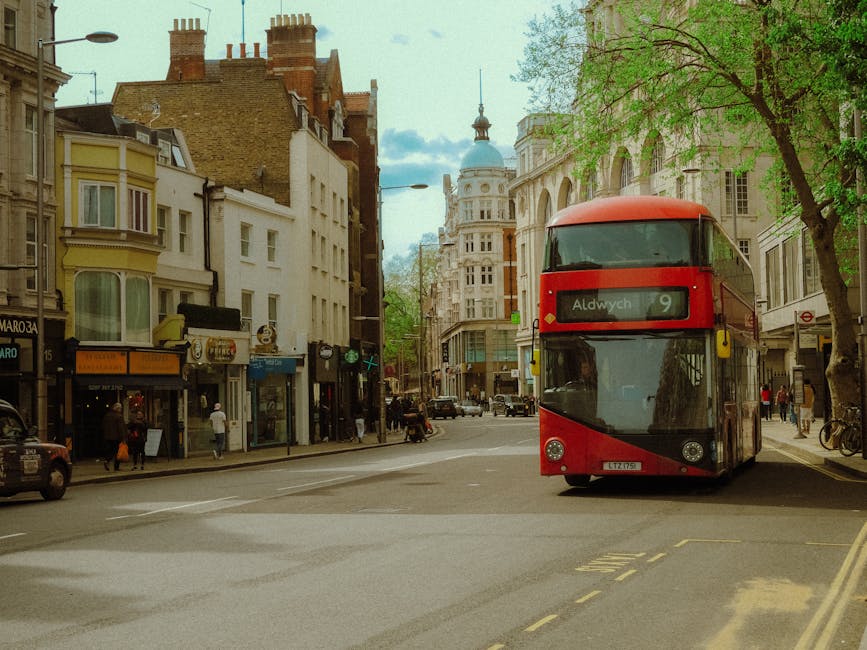
Moving an office in Aldwych is rarely just a matter of packing desks and rolling out a trolley. In WC2, you are dealing with tight streets, busy pedestrian flow, shared entrances, time-sensitive access, and the daily reality of keeping a business running while boxes appear everywhere. That is where Office relocations in Aldwych: tailored services for WC2 really earns its value. A good move is not about brute force. It is about timing, planning, building access, clear communication, and a team that understands how London offices actually work.
If you are relocating a small practice, a growing firm, or a multi-room workspace near the Strand, Temple, or the Savoy end of Aldwych, the right approach can save time, stress, and a fair amount of last-minute drama. And yes, there is always at least one unexpected thing. A lift stops working. A loading bay is tighter than expected. Someone forgot where the IT cable box went. Happens more than people admit.
This guide explains how tailored office moving services work in Aldwych, why they matter, what to expect, and how to avoid the common mistakes that slow everything down. It is practical, local, and designed to help you make a calm, informed decision.
- Why office relocations in Aldwych matter
- How the moving process works
- Key benefits and practical advantages
- Who this is for and when it makes sense
- Step-by-step guidance
- Expert tips for better results
- Common mistakes to avoid
- Tools, resources and recommendations
- Law, compliance and best practice
- Options and comparison table
- Case study example
- Practical checklist
- Conclusion
- Frequently asked questions
Why Office relocations in Aldwych: tailored services for WC2 Matters
Aldwych sits in one of the most commercially active parts of central London, which is great for visibility and access, but not always great for moving day. Offices here often sit in mixed-use buildings, near busy roads, with restricted parking and strict building rules. That means a generic, one-size-fits-all move can quickly turn into a slow one.
Tailored office relocation services matter because no two WC2 offices are quite the same. A legal practice with confidential files needs a different process from a creative studio with large monitors and delicate equipment. A small consultancy on an upper floor needs a different plan from a larger team with archive storage, reception furniture, and IT racks. You cannot really wing it. Or you can, but the day will remind you why that was a bad idea.
Local knowledge is especially useful in Aldwych because access constraints can shape the whole schedule. The best teams do not just move items; they shape the move around the building, the street, and the business. That might mean early starts, staggered loading, lift protection, or a phased relocation across more than one day. It might also mean planning around client meetings and staff availability so the move does not knock the whole week sideways.
There is also a trust factor. Businesses usually want reassurance that equipment will be handled carefully, that sensitive documents stay secure, and that the final move-out and move-in feel organised rather than chaotic. A tailored service is essentially a risk-reduction service. It is there to keep your office moving, literally and commercially.
How Office relocations in Aldwych: tailored services for WC2 Works
A well-run office relocation in Aldwych normally starts with a detailed assessment. That does not need to be overcomplicated, but it should be thorough. A move planner will look at the size of the office, what is being moved, access points, parking, lift availability, floor levels, timing restrictions, and any items that need special handling.
From there, the move is usually broken into stages. In plain English, the job is not "turn up and move everything." It is more like: plan, pack, protect, label, dismantle if needed, transport, unload, reassemble, and check that the office is functional again. Simple enough in theory. In practice, the sequence matters a lot.
Typical tailored services may include:
- Pre-move planning and room-by-room coordination
- Labelling systems for desks, departments, and equipment
- Packing support for files, office supplies, and fragile items
- Dismantling and reassembly of desks, chairs, and storage units
- Safe handling for IT equipment, monitors, and peripherals
- Move-day protection for floors, walls, and doorways
- Careful scheduling to reduce business downtime
For many businesses, the move also includes a continuity plan. That means deciding what happens first on arrival. Do the phones need to be live before the desks are assembled? Does the finance team need priority access to files? Do servers or routers need to be installed before anything else? These decisions sound small, but they can be the difference between a smooth morning and a morning nobody wants to repeat.
In office moves, the best results usually come from overcommunicating a little. Not in a noisy way. Just enough clarity that everyone knows what is happening, where things go, and who is responsible for what. Honestly, it saves a lot of guessing.
Key Benefits and Practical Advantages
The obvious benefit of a tailored office relocation is convenience. But the deeper value is more strategic. You are not just moving furniture; you are protecting workflow, staff time, client confidence, and equipment.
1. Less downtime. A structured move helps you get back to normal faster. If you run a client-facing office, that matters more than people think. Every extra hour of disruption has a cost, even if it is not shown on a spreadsheet line.
2. Better handling of specialist items. Offices often contain awkward or expensive items: servers, screens, printers, artwork, confidential archives, and oddly heavy desks that seem to have been built in another era. A proper move team knows how to secure these items without improvising.
3. More predictable outcomes. With a tailored plan, you are less likely to get side-tracked by missing access keys, wrong-size vehicles, or a lift that cannot take half the furniture in one go. Predictability is underrated. It keeps tempers down.
4. Cleaner risk management. Office relocations involve trip hazards, manual handling, lifting risks, and potential damage to buildings or goods. A careful process helps reduce those risks from the outset.
5. A smoother staff experience. People do better when the move is organised. They know what to pack, when to pack, and where to go next. That alone can lower stress a lot.
There is a less obvious advantage too: a move gives you a chance to reset. Many firms use the relocation as a moment to rethink layout, archive clutter, surplus furniture, and storage habits. To be fair, if you are dragging old kit across central London, you may as well decide whether it still deserves a place in the new office.
Who This Is For and When It Makes Sense
This kind of service is a strong fit for businesses in Aldwych and WC2 that need more than basic transport. It is especially useful if your move involves multiple rooms, valuable equipment, staff coordination, or a tight deadline.
You will probably benefit from tailored support if you are:
- A small business moving between nearby WC2 offices
- A professional practice with files, desks, and client records
- A creative or media team with screens, artwork, and tech gear
- A growing company relocating from a serviced office into a larger suite
- A landlord or building manager coordinating a tenant handover
- An organisation that needs evening or weekend moving to reduce disruption
It also makes sense when the move has a few complications. Maybe the premises are on an upper floor. Maybe there is limited lift access. Maybe you are sharing space with other tenants. Maybe the loading area is strict. These are the kinds of details that can make an ordinary move awkward, and an awkward move expensive.
If you only have a few desks and some boxed items, a lighter approach may be enough. But if the office houses business-critical equipment or you need the move completed with minimal interruption, tailored support is usually the safer choice. Question is, can your team afford a messy Monday morning? Probably not.
Step-by-Step Guidance
A good relocation in Aldwych follows a clear sequence. The details vary, but the structure is usually similar. Here is a practical version you can actually use.
- Survey the current office. List furniture, tech, storage, files, and anything fragile or awkward. Take note of access points, stairs, lifts, and parking restrictions.
- Set the moving date and timing window. In central London, timing can make or break the job. Early starts or off-peak periods are often easier than peak daytime loading.
- Plan the layout of the new office. Decide where each team, desk, or department will go before anything is moved. This prevents confusion later.
- Label everything clearly. Use a simple colour or numbering system. Make labels visible. A tiny label hidden under a cable is not much help, let's face it.
- Back up and secure digital assets. Shut down devices properly, back up important files, and separate cables in a way that makes sense to your IT team.
- Protect sensitive records. Confidential paperwork should be sealed, tracked, and handled according to your internal policies.
- Prepare the destination first. Make sure keys, access codes, lift reservations, and basic utilities are ready. If the new office is not ready, the move slows immediately.
- Move in phases if needed. Some businesses benefit from moving departments at different times rather than in one giant push.
- Test and reset. Once everything is in, check desks, connectivity, phones, and essential storage. A final walk-through usually catches the small things.
A small but useful point: build in breathing room. Something always takes longer than expected. The trick is not pretending otherwise. A sensible buffer can be the difference between a calm handover and a frazzled scramble.
Expert Tips for Better Results
After many office moves, a few habits stand out as consistently helpful. They are not flashy. They just work.
Start with the end in mind. Before packing a single box, know what the new office should look like on day one. Where does reception go? Which team needs power first? What needs to be accessible immediately? These answers shape the move.
Keep IT at the centre of the plan. In modern offices, technology is often the most disruptive part of the move if it is left until last. Even a small delay in internet setup can stall an entire team. It is worth planning this properly.
Do not overpack boxes. Office boxes can get surprisingly heavy, and overpacked files are awkward to carry safely. Spreading weight sensibly helps protect both people and items.
Use a floor-by-floor or zone-based system. If the new building has multiple levels, group items by floor or department. The fewer "where does this go?" moments, the better.
Communicate with staff early. People cope better when they know what to pack, what not to pack, and when to expect disruption. A short briefing usually does more good than a long email nobody reads.
Expect one odd item. Every office has one. A framed print that is larger than the doorway. A conference chair with an impossible base. A printer that nobody remembers ordering. There is always one. Build that into the plan.
One more thing: keep the plan practical, not perfect. Perfect is lovely in theory and deeply unhelpful in a moving van.
Common Mistakes to Avoid
The most common mistakes in office relocations tend to be boring, which is exactly why they happen. They are easy to overlook until the move is already under way.
- Leaving planning too late. A rushed move often means rushed decisions, and rushed decisions usually cost more in the end.
- Ignoring access checks. Not measuring doors, lifts, stairwells, or loading areas is asking for trouble.
- Failing to label clearly. If every box looks the same, every box becomes a mystery.
- Forgetting to assign ownership. Someone needs to decide where teams sit, where the archive goes, and who checks the final setup.
- Not protecting data and devices. Paper files and digital equipment need different handling, but both matter.
- Moving clutter instead of sorting it. There is no law that says old cables must be carried to the new office. Sometimes, enough is enough.
- Underestimating building rules. Many central London buildings have strict booking and access procedures. If those are not confirmed early, delays follow.
There is a deeper mistake too: assuming that moving a small office is automatically simple. Small does not mean easy, especially in WC2, where access can still be awkward and timing still matters. A tiny office can produce a surprisingly large headache if it is not planned properly.
Tools, Resources and Recommendations
You do not need a complicated toolkit to manage an office move well. But a few simple resources make the process much smoother.
Useful internal tools include a room-by-room inventory, a labelling system, a packing checklist, and a contact sheet with names and responsibilities. Even a basic spreadsheet can help more than people expect.
Physical supplies usually include sturdy boxes, document bags, protective wrap, tape, floor protection, furniture blankets, and cable ties. If you are moving in damp weather, which London can provide at random, keeping items wrapped and dry matters more than you might think.
Operational recommendations:
- Assign one person to oversee the move on each side of the relocation
- Keep essential documents separate from general office clutter
- Take photos of complex desk setups before dismantling them
- Store spare keys, access cards, and door codes in one secure place
- Build a first-day essentials box for stationery, chargers, sign-in items, and basic supplies
If you need help with packing, planning, and the physical move itself, it can be useful to explore related services such as office relocation services and packing and unpacking support. For businesses with larger volumes of furniture or broader move requirements, commercial moves may also be a better fit than a standard van-and-driver arrangement.
For cost planning, it is sensible to review the approach outlined on pricing and quotes, especially if you are comparing different move sizes or time windows. Clear expectations are always better than guesswork.
Law, Compliance, Standards, or Best Practice
Office relocations in Aldwych usually touch on health and safety, manual handling, building access, and sometimes data protection and insurance concerns. The exact obligations depend on the workplace and the items being moved, so it is wise to treat compliance as a live planning issue rather than a box to tick at the end.
At a practical level, good movers should use safe lifting methods, keep walkways clear, protect floors and walls where needed, and avoid rushing items through tight spaces. Businesses should also think carefully about how confidential paperwork, devices, and storage media are handled during the move. That is especially relevant for offices dealing with client records or sensitive internal information.
Insurance matters too. Not because everyone expects a problem, but because move day is one of those times when a small mistake can have a large consequence. It is sensible to understand what cover is in place, what exclusions exist, and who is responsible for what if damage occurs.
It is also good practice to follow building-specific rules on access, lift booking, loading bays, and waste removal. In central London, those rules are not just helpful advice. They shape the job. If your building management team asks for documentation or a move schedule, that usually means they want the move to go smoothly for everyone, not to be difficult for the sake of it.
For reassurance around safety and business conduct, you may also want to review the company's health and safety policy and insurance and safety information. Those pages help set expectations clearly and are worth checking before booking anything formal.
Options, Methods, or Comparison Table
Not every office move needs the same level of support. Some teams need hands-on help from start to finish. Others only need transport and a bit of coordination. The right option depends on your office size, timeline, and how much disruption you can tolerate.
| Move option | Best for | Pros | Watch-outs |
|---|---|---|---|
| Basic van transport | Small offices with a few items | Simple, flexible, often quicker to arrange | Less help with packing, access, or reassembly |
| Full office relocation service | Teams with furniture, files, and equipment | More organised, lower stress, better coordination | Needs stronger planning and a clear brief |
| Phased relocation | Businesses that cannot close fully | Reduces downtime, easier to manage by department | Requires careful sequencing and communication |
| Out-of-hours move | Client-facing offices or busy operations | Less disruption to staff and visitors | May depend on building access and staffing availability |
The best option is not always the most expensive one. It is the one that fits the way your office actually operates. A careful move during quiet hours may be far more cost-effective than a rushed daytime relocation that interrupts work for half a week.
Case Study or Real-World Example
Here is a realistic example, based on the kind of move often seen in WC2. A small professional team near Aldwych needed to relocate from a compact office to a nearby space with a different layout. They had desks, chairs, monitors, archive boxes, and a few heavier storage items. Nothing extraordinary, but enough to become messy if rushed.
The move worked best because it was handled in phases. The team first sorted what needed to go and what could be archived or disposed of. Then they labelled everything by room and priority. The new office layout was confirmed before the moving day, which meant furniture could be placed correctly on arrival rather than shuffled around later.
One detail made a big difference: the IT gear was handled separately and checked before the rest of the office was fully unpacked. That meant staff could get back online quickly. Not instantly, because let's be honest, things never land quite that neatly. But fast enough to keep the business ticking.
The main lesson was simple. The move was not "easy," but it was controlled. That is usually the goal. A controlled move feels calmer, finishes sooner, and creates far less accidental drama in the corridor.
Practical Checklist
Use this as a final pre-move check. It is not fancy. It just works.
- Confirm move date, time, and access arrangements
- Check lift bookings, loading permissions, and building rules
- Complete a full office inventory
- Decide what is moving, what is being stored, and what can be removed
- Label boxes, desks, and equipment clearly
- Back up important files and secure devices
- Prepare packing materials and protective supplies
- Share the floor plan for the new office
- Assign a move-day contact person
- Check insurance, safety, and handling expectations
- Prepare a first-day essentials kit
- Walk through both sites before and after the move
If you can tick all of those off without rushing, you are in good shape. If not, slow down a little. It is much easier to fix a planning gap before move day than during it.
Conclusion
Office relocations in Aldwych are easiest when they are treated as a business project, not just a transport job. The best tailored services for WC2 bring local awareness, proper planning, careful handling, and enough flexibility to deal with the reality of central London buildings. That means less downtime, fewer avoidable problems, and a better experience for your team.
Whether you are moving a small workspace or coordinating a larger office transition, the key is to plan early, communicate clearly, and choose support that fits your building, your schedule, and your working style. Small details matter. They always do.
Get a free quote today and see how much you can save.
And if the process still feels a bit much, that is normal. A good office move should feel organised, steady, and manageable. Not perfect. Just well handled, and that makes all the difference.
Frequently Asked Questions
What makes office relocations in Aldwych different from other London moves?
Aldwych office moves often involve central London access challenges, busy roads, shared buildings, and tighter timing windows. That is why tailored planning matters more here than in many quieter areas.
How far in advance should I plan an office move in WC2?
As early as possible. For a small move, a modest lead time may be enough, but larger offices or buildings with strict access rules usually benefit from earlier planning. The more moving parts you have, the sooner you should start.
Can an office move be done outside normal business hours?
Yes, often it can. Evening, weekend, or early-morning moves are common where disruption needs to be kept low. Building permission and staffing availability still need to be checked first.
What items usually need special care during an office relocation?
IT equipment, monitors, confidential files, glass items, artwork, and heavy storage units usually need extra attention. Anything awkward, fragile, or business-critical should be flagged early.
How can I reduce downtime during the move?
Plan the destination layout in advance, label everything clearly, separate IT handling from general packing, and use a phased approach if needed. That keeps the office functional faster.
Is it better to move in one go or in stages?
It depends on the business. A small office may suit a single move, while a larger team or a live operation often benefits from a phased relocation so work can continue with less disruption.
What should staff pack themselves?
Usually personal desk items, non-essential paperwork, and small accessories. Sensitive records, shared equipment, and anything bulky or fragile are often better handled through the move plan.
Do I need to worry about building access in Aldwych?
Yes. Access is one of the biggest factors in central London moves. Lift times, parking, loading rules, and entrance restrictions can all affect the schedule, so they should be confirmed early.
How do I know if my office move needs full relocation support?
If you have multiple rooms, specialist equipment, tight timing, or a need to reduce downtime, full support is usually worth considering. If the move is very small and simple, lighter help may be enough.
What is the biggest mistake businesses make with office moves?
Leaving planning too late is probably the most common one. The second biggest is underestimating how much access, labelling, and coordination matter once the move is underway.
Should I clear out old furniture before the move?
Usually, yes. Moving clutter is rarely efficient. If items no longer serve a purpose, it is often better to deal with them before relocation day rather than pay to move them twice in your head.
Where can I learn more about related moving services?
You can review the site's office removals page for a broader overview of business moving support, or explore the main homepage for additional service information.