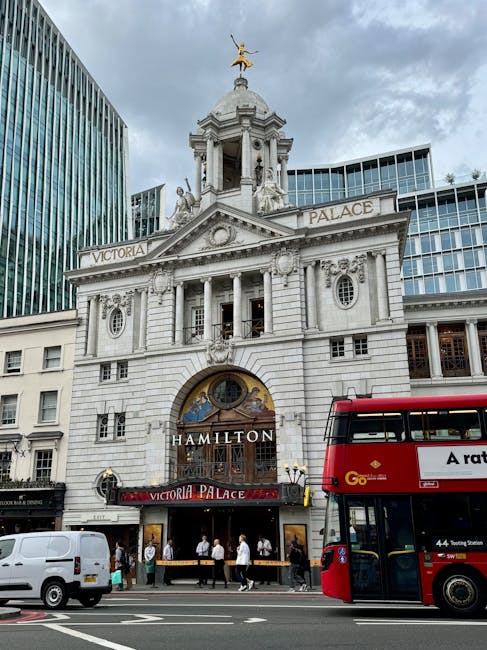
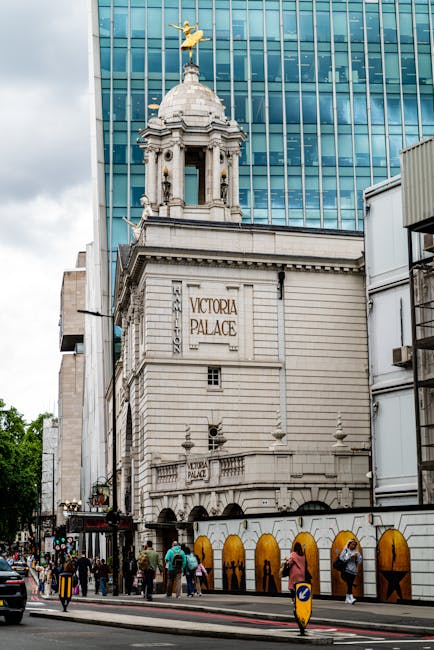
Savoy Theatre area: Aldwych removals for narrow access
The Savoy Theatre area sits in one of central London's busiest pockets, and that brings a very particular moving challenge: tight pavements, awkward entrances, shared access routes, lift restrictions, and the kind of street layout that can turn a simple removal into a slow puzzle. If you are planning Savoy Theatre area: Aldwych removals for narrow access, the job is less about brute force and more about timing, measurement, coordination, and calm decision-making.
Whether you are moving a flat, office items, student belongings, or a few heavy pieces of furniture, narrow access changes everything. A sofa that looks manageable in a wide hallway can become impossible once you meet a turning point, a low stairwell, or a busy service entrance. That is why the smartest approach is to plan for the access first and the lifting second. In our experience, that one shift saves a surprising amount of stress.
This guide walks through how narrow-access moves around Aldwych and the Savoy Theatre area usually work, what to expect, the risks to watch for, and the best practical ways to make the move smoother. If you need a broader view of local options, you may also find removals in Aldwych, flat removals in Aldwych, and man and van services in Aldwych useful when comparing approaches.
Table of Contents
- Why Savoy Theatre area removals for narrow access matters
- How narrow-access removals in the Savoy Theatre area work
- Key benefits and practical advantages
- Who this is for and when it makes sense
- Step-by-step guidance
- Expert tips for better results
- Common mistakes to avoid
- Tools, resources and recommendations
- Law, compliance, standards and best practice
- Options, methods, and comparison table
- Case study or real-world example
- Practical checklist
- Conclusion
- Frequently asked questions
Why Savoy Theatre area: Aldwych removals for narrow access Matters
Narrow access matters because the route is often the hardest part of the move, not the item itself. Around the Savoy Theatre and Aldwych, you can run into constrained entrances, shared corridors, service doors, basement levels, lifts that are too small for bulky items, and loading points that demand quick, tidy work. Add central London traffic and busy footfall, and suddenly every minute counts.
For many people, the problem only becomes obvious on moving day. A wardrobe clears the room but catches the stair bend. A mattress bends too much. A piano, desk, or sofa cannot be turned safely through the entry point. That is where proper planning makes a real difference. It is not glamorous, but it is the difference between a move that feels controlled and one that feels like a fire drill with boxes.
Local knowledge helps too. Areas around theatres, offices, hotels, and mixed-use buildings often have access rules that are not obvious from street view alone. A mover who understands those constraints can plan arrival times, vehicle positioning, carrying routes, and item protection more sensibly. That is especially useful if you are juggling multiple services, such as house removals in Aldwych or office removals in Aldwych.
Key point: in narrow-access removals, success usually comes from preparation, measurement, and careful handling, not from simply sending more people or a bigger van.
How Savoy Theatre area: Aldwych removals for narrow access Works
A good narrow-access move usually starts long before the van arrives. First comes a quick assessment: what needs moving, how large each item is, where the exits are, and whether there are turns, stairs, or lift restrictions. Then comes the route planning. That might include protecting floors, identifying the safest carry path, and deciding whether any items need to be dismantled.
For central London removals, the moving team may also need to think about parking and waiting time, and whether a smaller vehicle is better than a standard removals truck. In tight streets, a compact removal van in Aldwych or a flexible man with a van in Aldwych setup can be more practical than sending a larger vehicle that cannot safely access the loading point.
Then there is the handling method. Some items can be carried manually with proper technique; others need sliders, straps, blankets, trolleys, or partial dismantling. Heavy or delicate items require particular care. For example, pianos should be handled differently from wardrobes or office desks. If that is your situation, see piano removals in Aldwych and the related guide on why professional movers are essential for piano relocation.
Sometimes the most sensible move is to split the job into phases: items out first, then the awkward furniture, then any last small boxes. That may sound simple, but it reduces blockages in narrow hallways and gives the crew more room to work. Truth be told, that kind of sequencing can save the day.
Key Benefits and Practical Advantages
Working with a narrow-access plan in the Savoy Theatre area is not just about avoiding damage. It also makes the move feel more predictable. And when you are moving in central London, predictability is gold.
- Less risk of damage: careful measuring and route planning reduce knocks, scrapes, and crushed corners.
- Better timing: a planned approach helps avoid delays caused by blocked corridors, poor parking choices, or unexpected access issues.
- Safer lifting: the right handling methods reduce strain on you and the moving team.
- More efficient use of labour: fewer wasted trips up and down stairs means the job moves faster.
- Reduced building friction: considerate handling helps when you are sharing entrances or lifts with neighbours, guests, or staff.
- Better protection for awkward items: items like beds, sofas, glass furniture, and instruments are less likely to be damaged when handled properly.
There is also a mental benefit that people underestimate. When access is tight, everyone tends to tense up a little. A clear plan takes the pressure down. You know the order of events, who is doing what, and where the problem points are. That calmness matters. If you want a broader sense of what a smooth move looks like, the guide on keeping a house move calm and stress-free is a helpful companion piece.
Who This Is For and When It Makes Sense
This kind of move makes sense for anyone dealing with constrained access in or around Aldwych, but a few groups feel it most strongly.
- Flat movers: especially if the building has tight stairs, small lifts, or shared hallways.
- People moving bulky furniture: sofas, wardrobes, bed frames, and large cabinets can be awkward in old or compact buildings.
- Students: when moving in and out with minimal storage, multiple bags, and limited vehicle access.
- Office movers: desks, chairs, IT equipment, and filing units often need fast, tidy removal without disrupting neighbours.
- Anyone with specialist items: pianos, mirrors, freezers, and delicate storage items need extra planning.
It also makes sense if you are on a tight schedule. Same-day or short-notice moves are possible in many cases, but narrow access leaves less room for improvisation. If timing is tight, a same-day removals service in Aldwych may help, provided the access details are shared clearly up front.
If you are still unsure whether the move needs special handling, ask yourself: can this item move through the route upright, safely, and without forcing anything? If the answer is no, you probably need a narrower-access strategy rather than a standard load-and-go approach.
Step-by-Step Guidance
Here is a practical way to approach Savoy Theatre area removals when access is tight. No drama, just a sensible sequence.
- Measure the item and the route. Check widths, heights, stair bends, door frames, lift sizes, and awkward corners.
- Identify the access bottleneck. It might be one staircase, a narrow lobby, or a curbside loading issue.
- Decide what needs dismantling. Remove legs, shelves, handles, or table tops if that creates a safer route.
- Clear the pathway. Move rugs, bins, trip hazards, and loose clutter before the team arrives.
- Protect surfaces. Use floor runners, blankets, corner protection, and door guards where needed.
- Pack by priority. Keep essentials separate from bulky items so the load order is easier to manage. For tips, see packing like a pro when you move house.
- Choose the right vehicle and team size. A smaller vehicle may be easier in the Savoy area than a larger truck.
- Load in a smart sequence. Put heavier items in first if the route allows, then protect them with lighter goods.
- Communicate clearly. One person should be the main contact at both ends. Too many instructions at once can get messy. Fast.
A small but useful habit: label the awkward items before moving day. A simple note like "top shelf," "glass," or "lift only if flat" can prevent confusion when everyone is tired and the clock is ticking.
Expert Tips for Better Results
If you want a narrow-access move to go well, the following habits make a real difference.
- Take photos of tight points: stairs, landings, entrances, and lift interiors help movers judge angles before arrival.
- Use proper lifting technique: bend your knees, keep the load close, and avoid twisting under pressure. That is the basis of kinetic lifting.
- Keep packaging simple: overpacking boxes makes them harder to carry through narrow routes.
- Move fewer items per trip: a rushed double-handful often causes more problems than it saves time.
- Dismantle where it genuinely helps: not every piece needs taking apart, but a bed frame or dining table often benefits from it. See efficient strategies for moving your bed and mattress for practical handling advice.
- Think about storage early: if access or timing is messy, short-term storage can reduce pressure. The page on storage in Aldwych is worth a look.
Here is a small real-world observation: the best moves often look boring from the outside. That is a compliment. No scrambling, no last-minute surprises, no "we thought it would fit." Just steady, careful work. Boring is good.
If you have a bulky sofa, the guidance on sofa storage and longevity can help you avoid damage while you plan the move.
Common Mistakes to Avoid
Most narrow-access problems come from a few predictable mistakes. The good news is they are avoidable.
- Not measuring properly: guessing the width of a doorway is a classic mistake, and a costly one.
- Assuming a big van is better: sometimes a smaller vehicle is the smarter option in busy central London streets.
- Skipping dismantling: if an item is clearly too large, forcing it is never the answer.
- Poor packing: weak boxes collapse, awkward stacks topple, and fragile items get crushed.
- Leaving clutter in the route: even a small pile of shoes or cables can slow down a carry line.
- Ignoring building rules: some properties require booking lifts, notifying concierge staff, or protecting shared areas.
- Trying to move heavy items solo: it may look quicker, but it often ends with strain or damage. The guide on solo heavy-object lifting strategies explains why caution pays off.
One more thing: do not leave the awkward item until the end and hope everyone is still fresh and cheerful. That rarely ends well. Put the difficult pieces into the plan early, when the team still has energy and space to think.
Tools, Resources and Recommendations
You do not need a warehouse of specialist gear for every move, but a few practical tools make narrow access much easier to manage.
- Measuring tape: essential for door frames, corridors, lifts, and furniture dimensions.
- Furniture blankets: protect corners and surfaces from scuffs.
- Straps and webbing: help control heavy or awkward items during the carry.
- Hand trolley or sack truck: useful where stair access is not the main obstacle.
- Floor protection: especially important in rented flats, offices, and heritage-style buildings.
- Good quality boxes and tape: a simple win, but a big one. For local supply help, see packing and boxes in Aldwych.
For planning and preparation, a few related guides can help with the smaller decisions that matter a lot on moving day. If you need to tidy before a move, look at how to get a house spotless before relocating and top strategies to tidy up before relocating. If you are storing an appliance, the article on properly storing a freezer for long-term non-use is practical and straightforward.
Law, Compliance, Standards, or Best Practice
In a central London setting, compliance is often less about one dramatic legal issue and more about a collection of sensible duties and building expectations. You may need to respect parking restrictions, loading rules, building management instructions, and shared access requirements. Those details vary by property and by street, so it is always best to confirm them in advance rather than rely on assumptions.
From a safety perspective, movers should use proper manual handling practices, protect themselves and the property, and avoid reckless lifting. If a company has a health and safety process, insurance information, and clear service terms, that is a good sign. You can review the relevant company pages such as insurance and safety, health and safety policy, and terms and conditions if you want to understand the practical side of service expectations.
Good best practice also includes clear quotes, transparent communication, and respectful handling of shared spaces. If a team is moving through a theatre district or a mixed-use building, that courtesy matters. It sounds obvious, but in a busy corridor with people coming and going, small mistakes become very noticeable.
For company background and trust signals, about us, services overview, pricing and quotes, and payment and security are all useful reference points.
Options, Methods, or Comparison Table
Different moving methods suit different narrow-access situations. The best choice depends on the size of the load, the access constraints, and how quickly you need the job done.
| Method | Best for | Strengths | Limitations |
|---|---|---|---|
| Standard removals team | Larger house or flat moves with some access planning | Good for mixed loads, coordinated handling, fuller service | May be less agile in very tight streets or buildings |
| Man and van | Smaller loads, flexible schedules, awkward parking areas | Usually more adaptable and cost-efficient | May not suit very large or highly complex moves alone |
| Specialist item move | Pianos, antiques, oversized furniture, delicate equipment | Extra care, better equipment, more precise handling | Can require more planning and specific expertise |
| Move with storage | When access, timing, or refurbishment creates a gap | Reduces pressure, helps split the move into stages | Adds an extra step and may need more coordination |
If you are not sure which option suits your situation, think about the bottleneck first. Is the issue weight, route width, timing, or building rules? Once you know that, the right method becomes much clearer.
Case Study or Real-World Example
Imagine a flat move near the Savoy Theatre with a sofa, a bed frame, several boxes, and a narrow staircase that turns sharply at the first landing. Nothing outrageous, but enough to be awkward. The first instinct might be to send everything out in one go. That would probably slow the crew down and increase the chance of knocks against the wall.
A better plan would be to measure the sofa against the stairwell, remove the feet, wrap the corners, and move the bed frame in pieces. The boxes would be loaded separately so the carry route stays clear. If the sofa is too large for the stairwell once turned, short-term storage or an alternative route might be the safer option. Not ideal, but better than forcing it.
This is exactly where good communication matters. A quick photo of the stair turn, a note about lift size, and an honest conversation about the heaviest item can change the whole day. You avoid guesswork, and guesswork is what usually causes headaches.
It is not a dramatic story, to be fair. But it is the kind of ordinary, successful move that people remember fondly because nothing went wrong. That counts for a lot.
Practical Checklist
Use this checklist before moving day. It keeps the process simple and avoids those last-minute scrambles that nobody enjoys.
- Measure all large items and the narrowest points of the route.
- Confirm building access rules, lift booking, and any loading restrictions.
- Decide which items should be dismantled.
- Clear hallways, entrances, and stair landings.
- Pack fragile items securely and label them clearly.
- Prepare floor and wall protection where needed.
- Photograph tight corners, stairs, and entrances if helpful.
- Set aside essentials for easy access at the new place.
- Confirm vehicle size and arrival time with the mover.
- Keep contact details handy for the main decision-maker.
If you are dealing with a particularly demanding item, it is worth checking specialist guidance first. For example, the article on kinetic lifting is a useful reminder that technique matters just as much as strength.
Get a free quote today and see how much you can save.
Conclusion
Savoy Theatre area removals for narrow access are all about precision. The streets are busy, the buildings are not always forgiving, and the smallest detail can change how the whole move feels. But with the right preparation, the right vehicle, and the right handling approach, the job becomes much more manageable.
The main idea is simple: measure carefully, pack sensibly, move thoughtfully, and do not force awkward items through spaces that were never designed for them. That one mindset shift can save time, damage, and a fair bit of stress. And honestly, on a moving day in central London, that is worth its weight in tea.
For readers who want the next step, local service pages such as removal services in Aldwych and removal companies in Aldwych can help you compare options and choose a setup that suits your property, timeline, and access needs.
Small plan, careful hands, calm finish. That is usually how the best moves happen.
Frequently Asked Questions
What makes Savoy Theatre area removals different from a standard London move?
The main difference is access. Around the Savoy Theatre and Aldwych, buildings and streets can be tight, busy, and less forgiving than a typical suburban move. That means more attention to measurements, parking, timing, and item handling.
How do I know if my furniture will fit through a narrow stairwell?
Measure the widest points of the furniture and compare them to the narrowest points of the route, including bends and landings. If the item needs turning, the diagonal space matters too. If you are unsure, send photos and measurements to the mover before the day.
Is a man and van better than a larger removals team for narrow access?
Not always, but often it can be more practical for smaller or more awkward moves. A smaller vehicle may be easier to position, and a flexible team can adapt more easily in tight central London streets. For bigger moves, a full removals team may still be the better choice.
Should I dismantle furniture before a narrow-access move?
If dismantling makes the route safer or prevents damage, yes. Beds, tables, some wardrobes, and shelving units often benefit from partial dismantling. Just keep the screws, fittings, and labels together so reassembly is less of a headache later.
Can movers handle heavy or fragile items in the Savoy area?
Yes, provided they are told about the items in advance and have the right equipment. Pianos, mirrors, and large sofas need extra care. Specialist services such as piano removals in Aldwych are useful for more delicate loads.
What should I do if the lift is too small for my item?
Check whether the item can be carried safely by stair, dismantled, or moved in a different orientation. If none of those options works, you may need storage or a specialist handling plan. For beds and mattresses, the guide on moving your bed and mattress efficiently may help.
How far in advance should I book a narrow-access move?
The earlier the better, especially in central London. If you need a preferred time slot, building access coordination, or specialist handling, early booking gives you more flexibility. That said, last-minute options can sometimes still work if the access details are clear.
Will I need storage if access is awkward?
Not always, but storage can be helpful if the route is blocked, the timing is split, or an item does not fit safely on the first attempt. Short-term storage gives you breathing room, which can be very useful in a busy area like Aldwych.
How can I prepare my flat before the movers arrive?
Clear pathways, separate essentials, label boxes, and remove loose obstacles from hallways and entrances. A tidy property makes narrow access much easier. For more detail, see essential steps for a spotless house before relocating.
Are there extra safety concerns with narrow-access removals?
Yes. Tight spaces increase the risk of strain, bumps, slips, and damage to walls or floors. Good lifting technique, proper footwear, and sensible pacing all matter. You can also review insurance and safety for peace of mind.
Can I get a same-day service for a difficult access move?
Sometimes, yes. It depends on the size of the move, the access details, and vehicle availability. A same-day service can be useful if plans change quickly, but it works best when the mover has full information from the start. See same-day removals in Aldwych.
How do I keep costs under control for this type of move?
Be precise with measurements, pack properly, prepare the route, and avoid surprises on the day. The more the mover knows in advance, the less likely you are to need extra time or unexpected adjustments. Clear communication usually helps keep the quote fair and realistic.
Where can I learn more about move preparation and packing?
There are several helpful guides on packing, moving heavy items, and preparing a property. A good place to start is expert tips on packing like a pro when you move house and secrets to a calm and stress-free house move.